Protecting the people who look after everyone else
Healthcare staff face real safety risks - from aggression to medical emergencies - often while moving alone through large, multi-floor buildings. When something happens, the decisive factor is how fast help arrives, and whether it arrives in the right place.
Staff duress is the ability for an employee to discreetly raise an alert for help - by app or wearable button - that immediately shares their identity and precise location with responders.
At Indiana University Health, the goal was to deliver that across 17 hospitals - at the scale of tens of thousands of staff - and to do it on the network already in the ceiling, rather than installing a parallel system building by building.
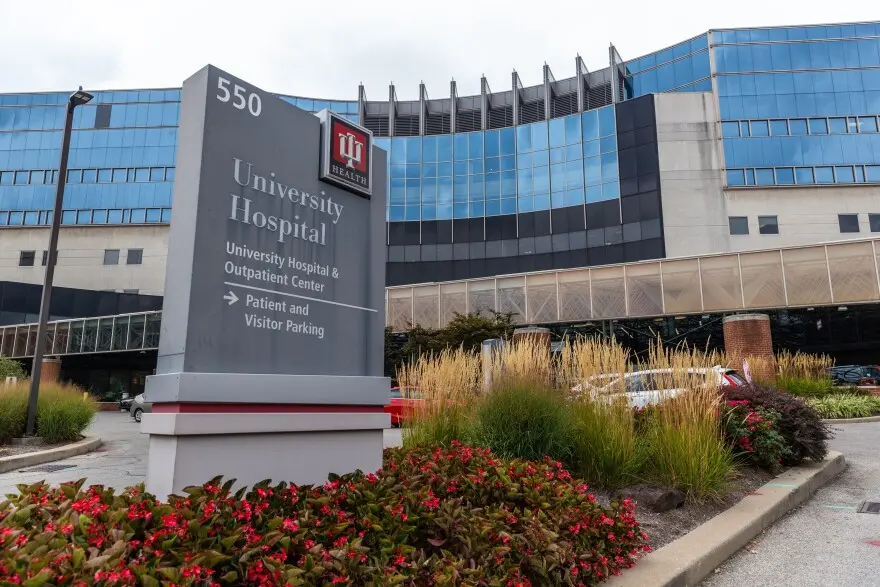
Raise an alert - and be found, immediately
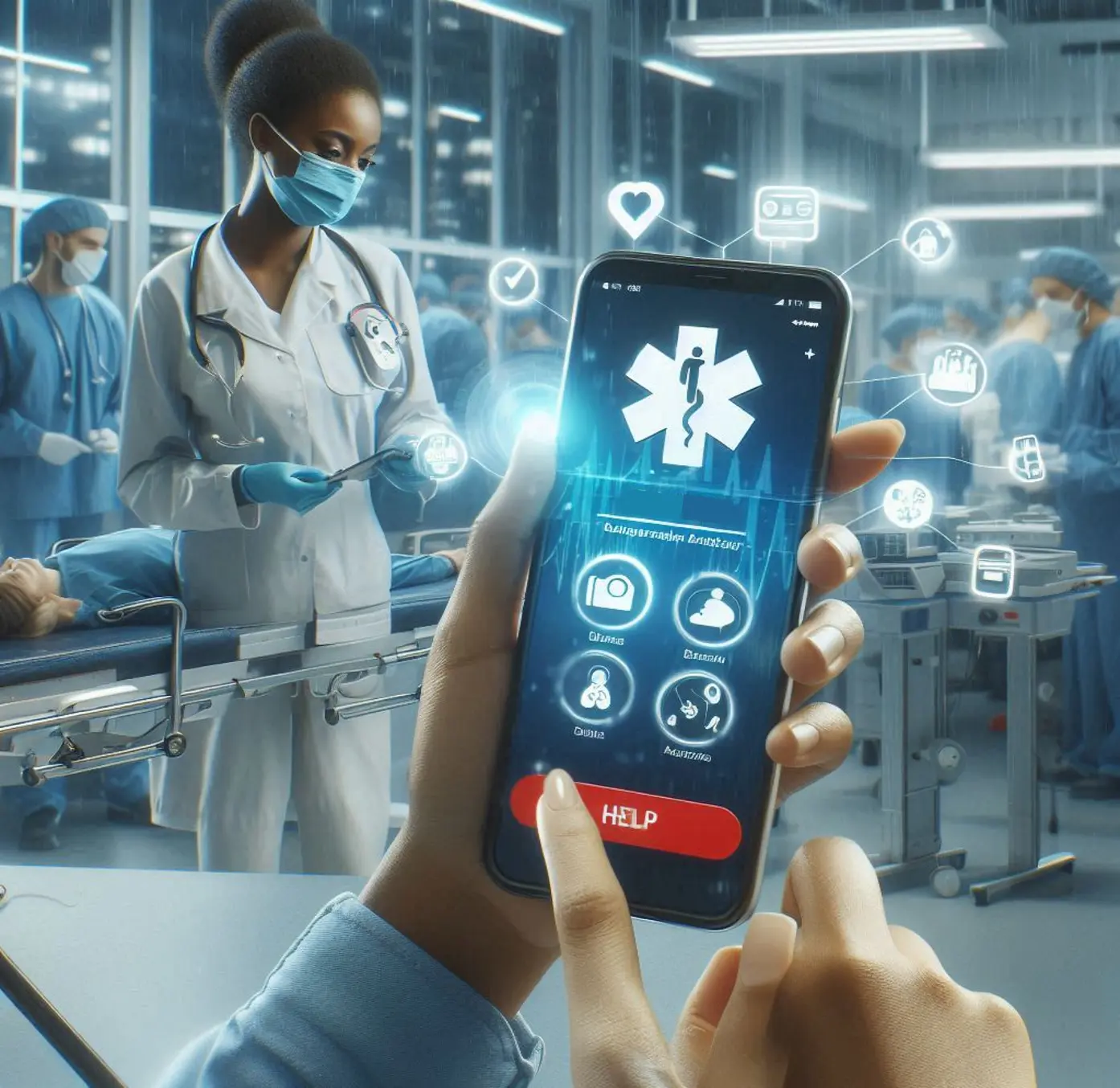
Staff can call for help from a mobile app or a wearable badge with an alert button. The alert is located to the room and shared with responders - who are themselves tracked, so the nearest can move first.
Mobile staff duress
An alert raised straight from a smartphone app - discreet, and always to hand.
20,000 alert-button badges
Wearable badges with an alert button deployed across the workforce.
Room-level location
Every alert carries a precise, room-level position - not just a building.
Responder tracking
Responders are located too, so the nearest available can react first.
Emergency management
A shared, real-time picture coordinates response across the whole system.
Faster, located, coordinated
Response that finds the room
Alerts carry a room-level location, so responders don't waste time searching a building.
Coordinated responders
Live responder tracking means the nearest available person moves first.
Protection that follows staff
Consistent cover across 17 hospitals - from the ward to the parking lot.
Built on existing Cisco infrastructure
Reusing the BLE-enabled network keeps cost and disruption down at scale.
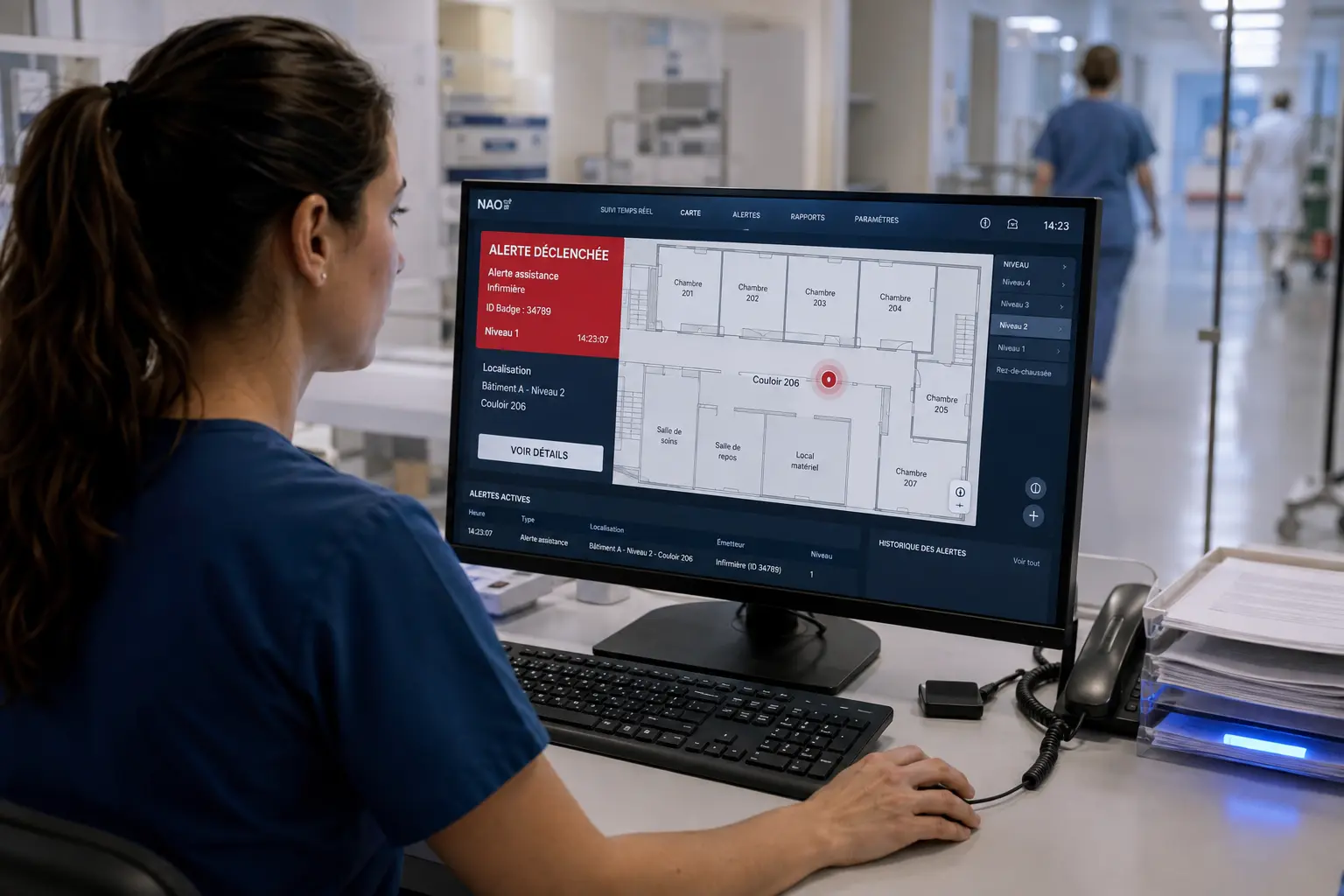
The payoff is simple: when a staff member calls for help, the system already knows who, what and exactly where.
Delivered in partnership

Client

Safety & emergency mgmt
Network (Catalyst 9130)

Indoor location
Staff duress that arrives
with the room number.
If your teams need located, coordinated emergency response across many sites, the same approach - room-level location on your existing Cisco network, within CriticalArc SafeZone - can be deployed across your facilities.
Related case studies
Industrial · Lone worker
CEA · Lone worker protection
Smartphone duress with man-down alerting on a secure, on-premise network.
Read case studyCruise · Cisco · BLE
Royal Caribbean
BLE location at scale over thousands of Cisco access points.
Read case studyHospital · USA
Northwestern Medicine
Real-time indoor positioning across a large healthcare campus.
Read case study