
Track every asset.
Eliminate search time.
Cut equipment loss.

For hospitals, airports and industrial facilities managing hundreds of mobile assets - from infusion pumps and stretchers to baggage carts and tools. Pole Star locates equipment on your existing BLE and Wi-Fi infrastructure - no manual search, no spreadsheets.


Built on ISO 27001 Cisco HPE Aruba
Definition

What is asset tracking?

Canonical definition

Asset tracking is the real-time monitoring and geolocation of physical assets within a facility using wireless infrastructure. It enables operations teams to locate equipment instantly, reduce loss and theft, and optimize utilization — without manual search. Pole Star delivers asset tracking on your existing BLE and Wi-Fi network, turning every tagged asset into a live, searchable location.

What

Asset tracking locates tools, equipment and mobile assets in real time on a live map, and reports how each is used.

Who

It serves hospitals, airports, manufacturing and logistics sites — operations, biomed, facilities and supply-chain teams running large mobile fleets.

Why now

Rising equipment costs, staff shortages and audit pressure make idle, lost or duplicated assets a direct hit to budgets and service.

How

Pole Star tags assets with BLE, reads them on existing infrastructure, and computes live location, geofence alerts and utilization analytics in one platform.
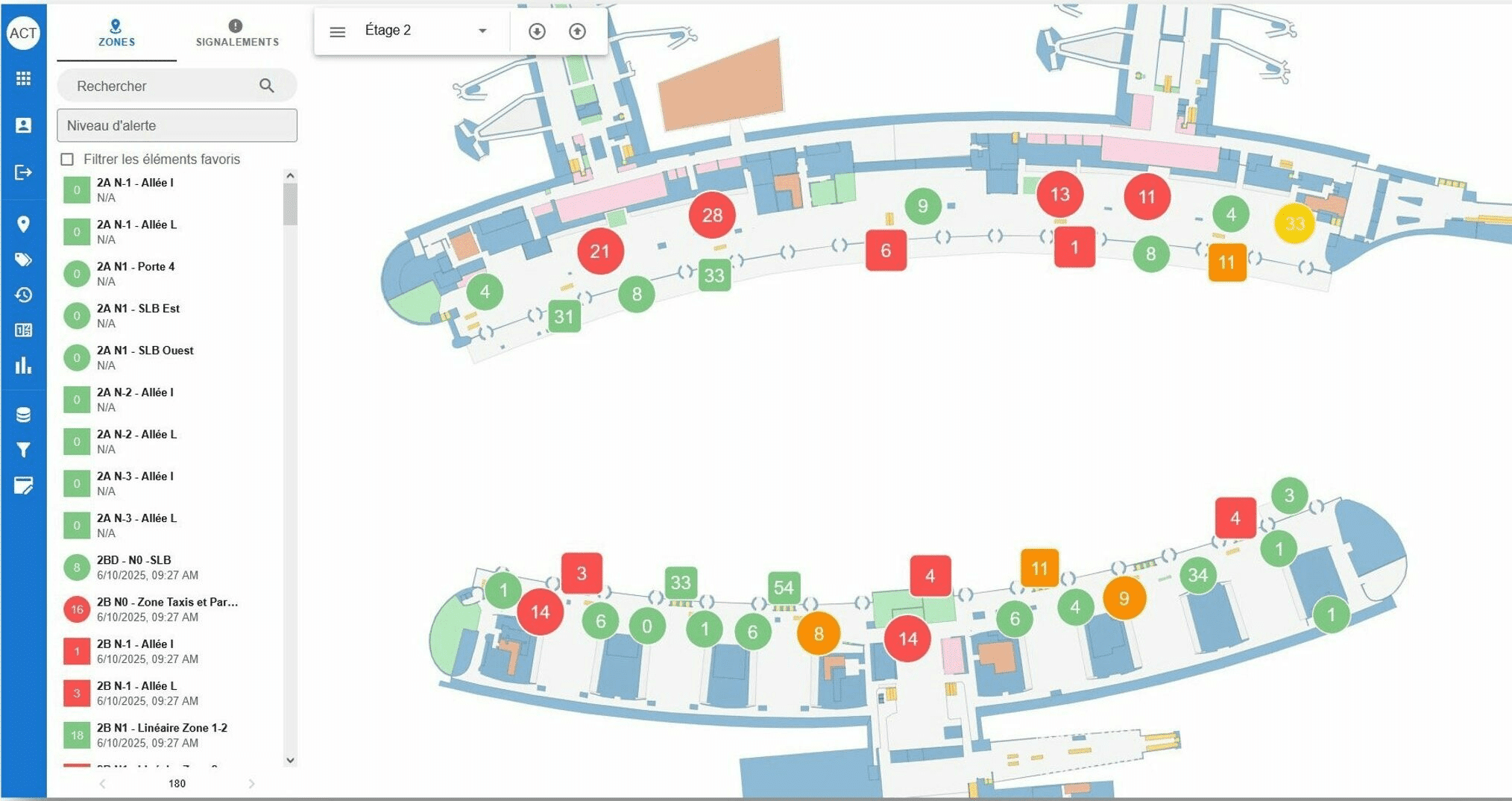
What Pole Star tracks
Infusion pumps
Wheelchairs
Stretchers & beds
Baggage carts
GSE & tractors
Gas bottles
Scanners & monitors
Tools & kits
Asset tracking dashboard — NAO® Viewer

The business challenge: you own more than you can find

Facilities run on mobile assets - infusion pumps, wheelchairs, stretchers, baggage carts, tools and gas bottles - that move constantly across floors, shifts and teams. Without real-time location, no one owns where an asset is at any given moment, and visibility collapses the instant equipment leaves its expected spot.

The cost is structural, not occasional. Staff burn clinical and productive hours searching; utilization stays low while fleets keep growing; and equipment is over-purchased or rented to cover for assets that already exist but cannot be found. Loss, theft and shrinkage compound the bill.

The result is a paradox: facilities own more equipment than they use, yet rarely have it where it is needed. Every search is delayed care or delayed production, higher capital spend, and added staff stress.

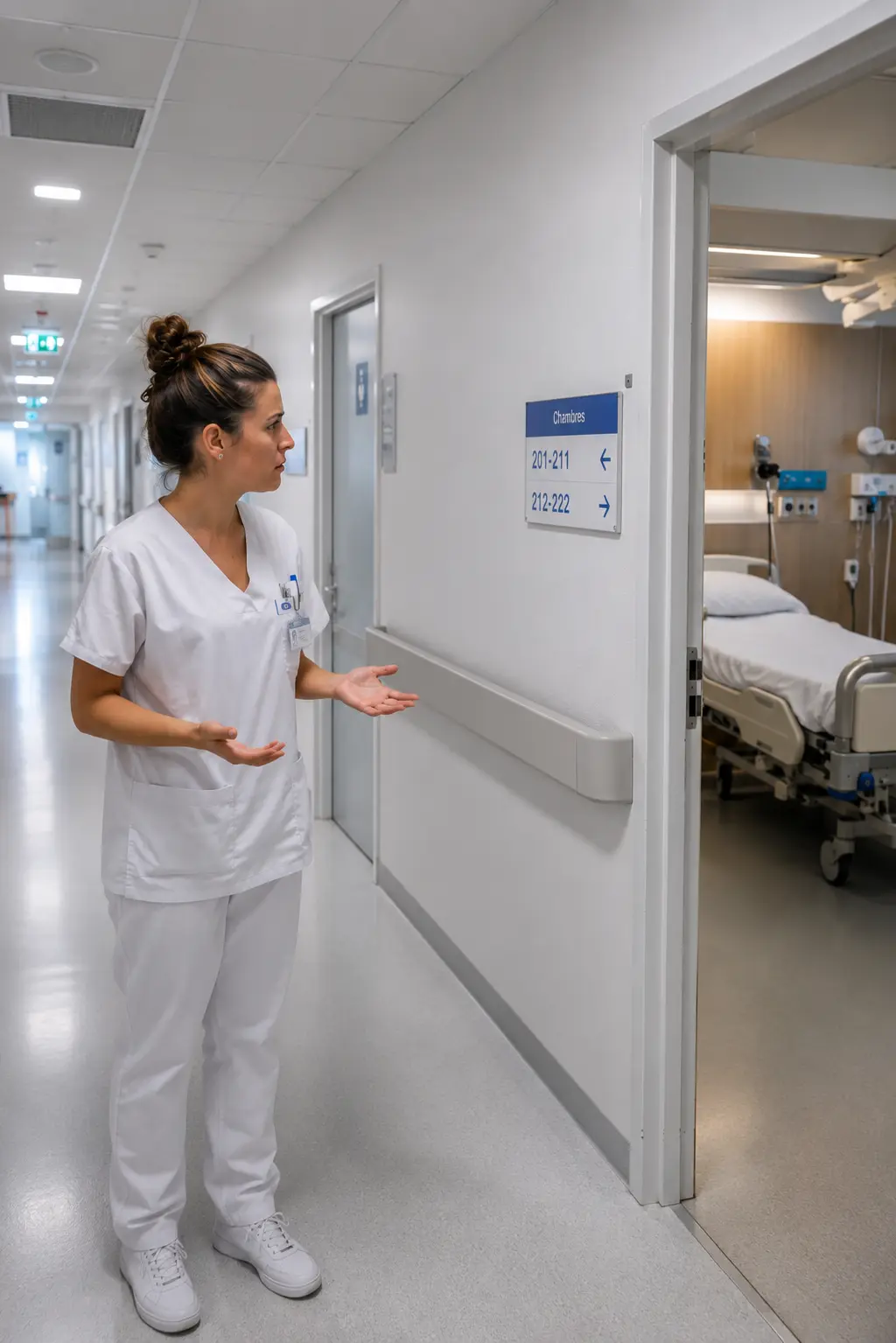
Mobile assets parked along a facility corridor

Evidence from healthcare - asset tracking's most-studied environment
42%
Average utilization of mobile medical equipment - most of the fleet sits idle.
Source: GE Healthcare
1 in 3
Nurses spend an hour or more per shift searching for equipment.
Source: Nursing Times survey, 2009
~12%
Of a nurse's shift is lost to looking for equipment instead of care.
Source: HIMSS, 2023
10-20%
Of mobile medical equipment is lost, underused or unnecessarily duplicated.
Source: GE Healthcare
Questions buyers ask
How do hospitals track medical equipment?
How much time do staff spend looking for equipment?
How do you reduce equipment loss in a facility?
What is asset utilization and how do you improve it?

What changes once every asset is on the map

Concrete business outcomes teams see with real-time asset tracking - no dashboards required to feel the difference.

01

Less time searching for assets

Staff stop hunting for equipment and get back to the work that matters.

02

Real-time location accuracy

Every tagged asset shows its live position on a single, always-current map.

03

Faster return on investment

Right-sizing fleets and cutting losses pays the system back quickly.

04

Fewer losses and thefts

Geofence alerts flag assets the moment they leave where they belong.

05

Better use of what you own

Utilization data reveals idle assets to redeploy instead of buying more.

06

Audit-ready visibility

A live asset registry makes inventory and compliance checks straightforward.

Staff searching for mobile equipment across a facility

Sound familiar?

The pain points teams describe before they deploy asset tracking - in their own words.

We spend hours every week looking for infusion pumps.

Clinical time drains into searching instead of patient care, and stress climbs with every missing device.

We keep buying equipment we already own.

Capital is spent on duplicates simply because existing assets cannot be located when needed.

Half the fleet sits idle while staff can't find a free unit.

Low utilization drives unnecessary purchases and rentals, even with equipment to spare.

Expensive assets just walk out the door.

Loss, theft and shrinkage hit the budget with no trail and no alert when it happens.

Audits mean days of manual inventory counts.

Staff are pulled off core work to locate and log every asset by hand, again and again.

Our spreadsheets are out of date the moment we save them.

Manual tracking never reflects what is actually on the floor, so no one trusts the data.

How Pole Star solves it

From wireless signal to measurable ROI

1

Wireless infrastructure

BLE / Wi-Fi

Tags on your assets are read by the network you already run - no new cabling to deploy.

2

Positioning engine

Real-time compute

Raw signals become precise, live coordinates for every tagged asset, continuously.

3

Live asset registry

Searchable database

Each asset gets an identity, location, zone and status you can search in one place.

4

Alerts & automation

Rules & thresholds

Geofence, dwell-time and status rules trigger instant alerts and actions.

5

Dashboards & reporting

Visibility

Live maps, utilization reports and audit exports for every team.

6

Measurable ROI

Outcome

Right-sized fleets, less loss, and hours returned to core work.

In practice

When a nurse can't find an infusion pump, the search used to mean walking three floors. With Pole Star she opens the app, sees the nearest available pump two rooms away, and is back at the bedside in under a minute - while procurement sees, in the same data, that the ward doesn't need more pumps, just better visibility.

Key features

Everything you need to find, protect and optimize assets

Built around the questions buyers actually ask - from geofence alerts to Cisco and Aruba compatibility.

Real-time asset map

See every tagged asset live on a floor-by-floor map, updated continuously.

Find any asset in seconds, not corridors.

Geofence alerts

Draw virtual boundaries and get alerted when assets enter or leave a zone.

Stop loss and unauthorized exits as they happen.

Utilization analytics

Measure how often, how long and where each asset is actually used.

Right-size fleets with evidence, not guesswork.

Live asset registry & search

Search assets by ID, type, zone or status from one always-current list.

Audit-ready inventory, always up to date.

Works on Cisco & HPE Aruba

Runs on your existing BLE-enabled Wi-Fi access points and infrastructure.

Deploy without ripping out infrastructure.

Rules & automation

Trigger actions on dwell time, thresholds and status events automatically.

Automate the manual follow-ups teams do today.

Typical use cases

What teams solve with asset tracking

Pre-surgery equipment location

Trigger

A procedure needs a specific device, now.

Action

Staff locate the nearest ready unit on the live map.

Result

No delayed starts waiting on equipment.

Medical equipment tracking

Unauthorized asset exit detection

Trigger

An asset crosses a restricted boundary.

Action

A geofence rule fires an instant alert.

Result

Loss and theft caught in real time.

Geofencing

Monthly utilization report for procurement

Trigger

A purchase request or budget review lands.

Action

Analytics show real usage per asset type.

Result

Fleets right-sized, over-buying stopped.

Flow analytics

Find the nearest available wheelchair

Trigger

A patient discharge or transport is due.

Action

The map shows the nearest free unit.

Result

Faster patient flow, less waiting.

Medical equipment tracking

Locate recalled or maintenance-due equipment

Trigger

A recall or preventive-maintenance date hits.

Action

The registry filters affected assets by location.

Result

Fast, complete, documented remediation.

Asset tracking

Automated audit inventory

Trigger

A compliance audit is scheduled.

Action

The live registry exports every asset's location.

Result

Audits done in hours, not days.

Asset tracking
How the technology works

Simple tags. Your existing network. Live location.

Pole Star tags each asset with a small BLE tag. Your existing BLE-enabled Wi-Fi access points read those tags, and the positioning engine turns the signals into a live location on your floor plan - no new cabling, no dedicated hardware.

01

Tag the asset

A compact BLE tag is fixed to each pump, cart, stretcher, bottle or tool.

02

Your network reads it

Existing Cisco or HPE Aruba access points pick up the tag - no extra infrastructure.

03

Locate in real time

The asset appears live on the map, with zone, status and geofence alerts.
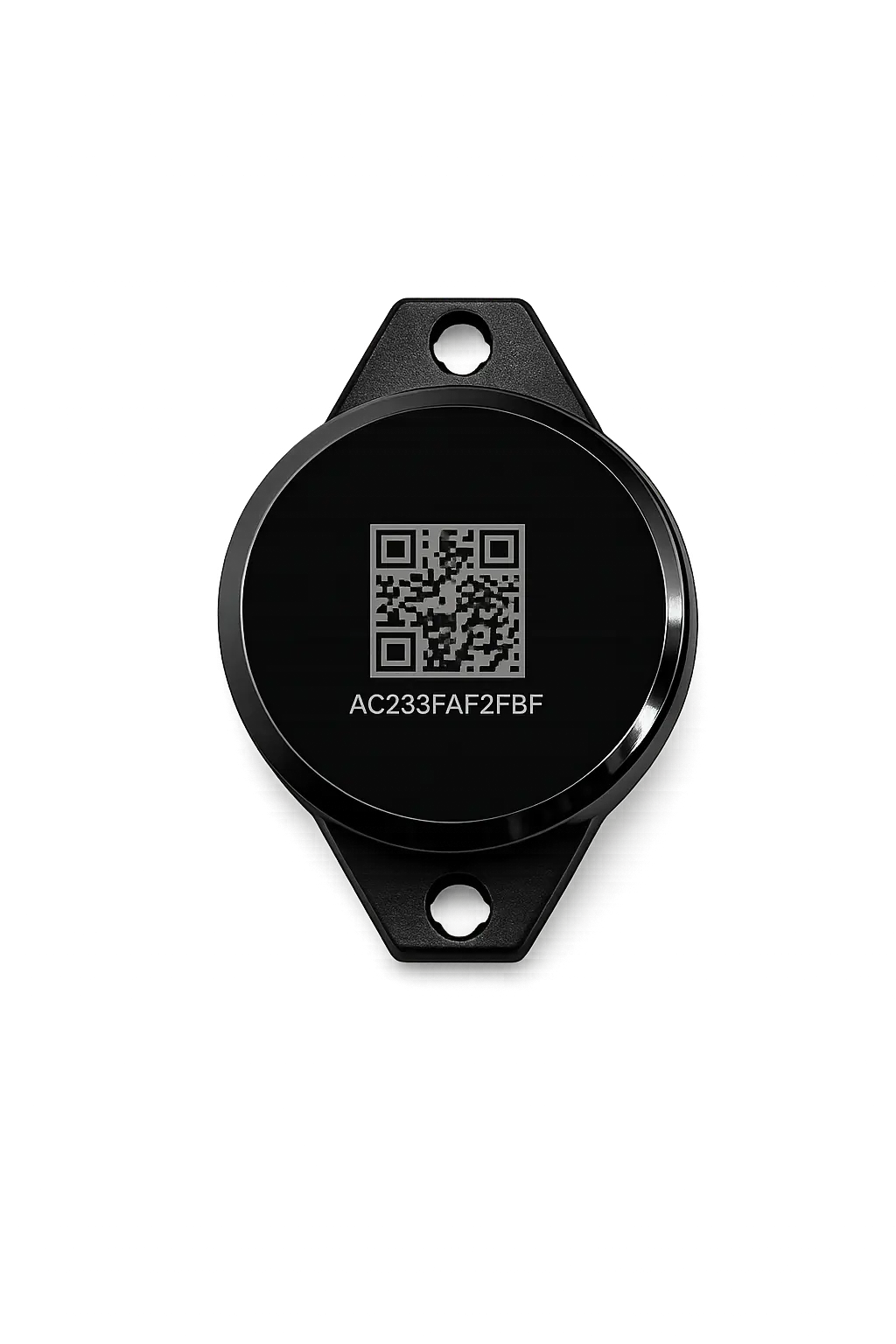
The tags we use

01 Standard BLE asset tag

Mobile tag

Designed for stretchers, wheelchairs, infusion pumps and other everyday mobile equipment. Mounts easily with adhesive or screws.
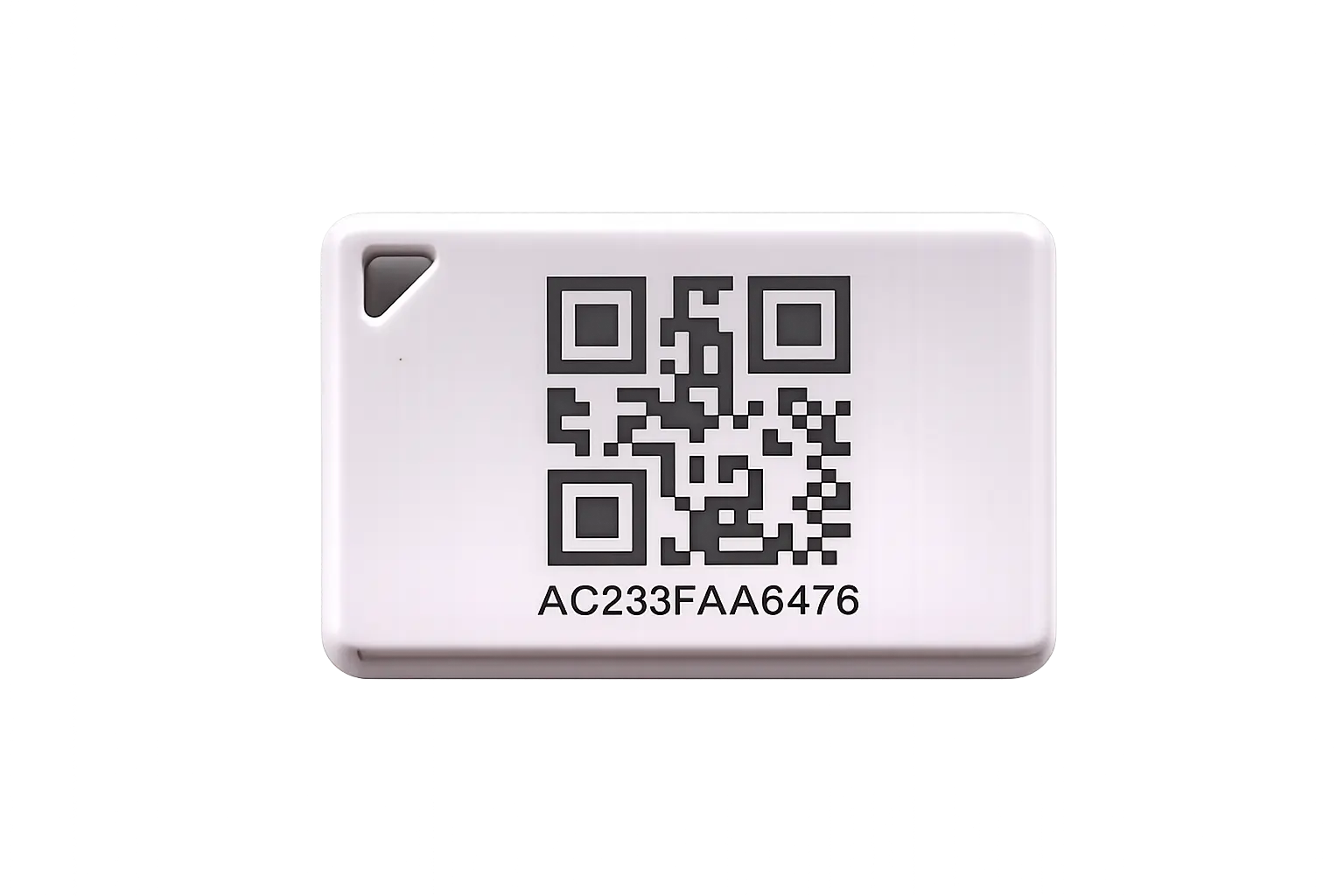
BLEMulti-year batteryAdhesive / screw
02 Compact BLE tag

Compact tag

A small, lightweight tag for high-value or space-constrained assets - scanners, handhelds, kits.
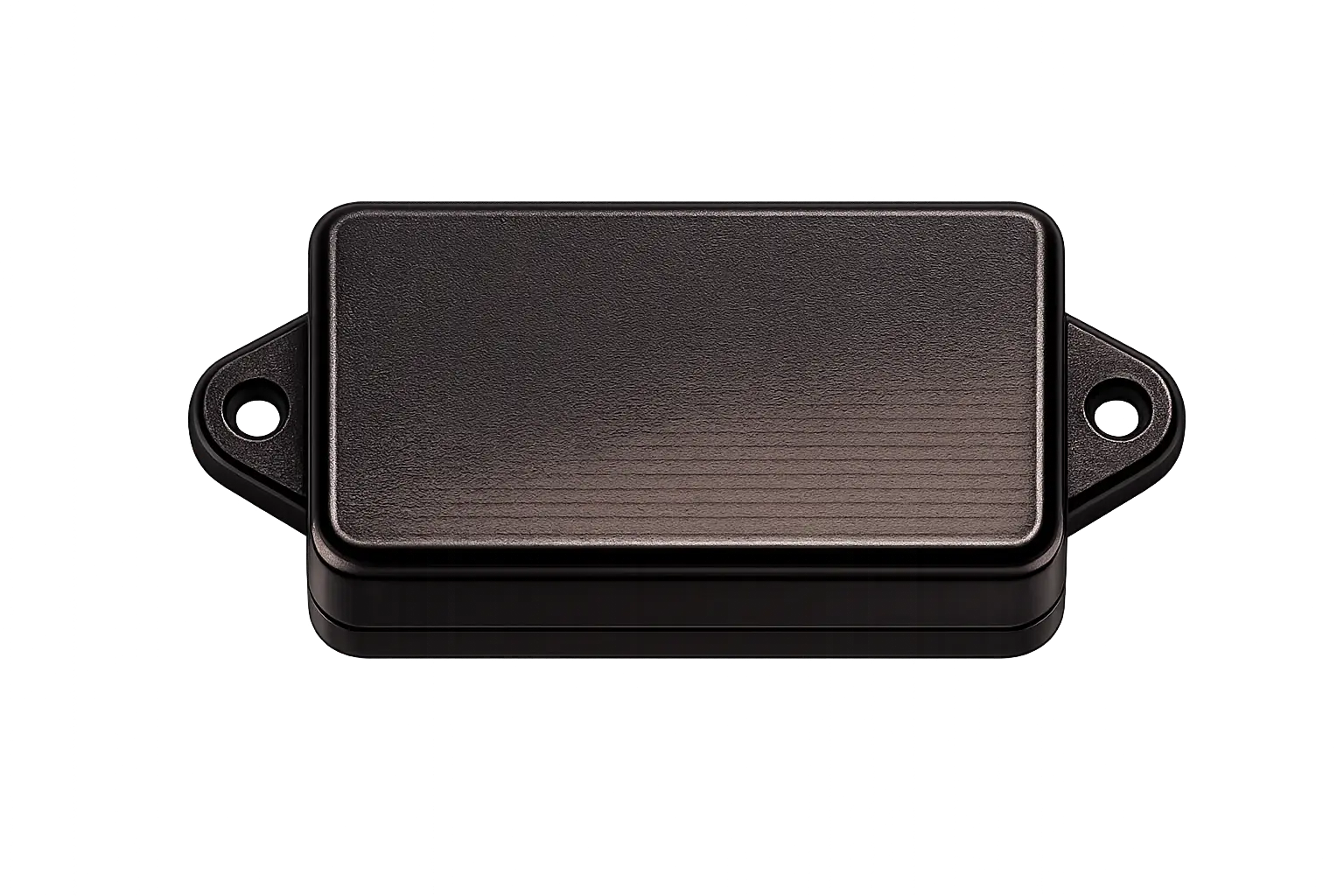
BLELow-profileLightweight
03 Rugged BLE tag

Rugged tag

A rugged tag for baggage carts, airport trolleys and other large mobile assets operating in demanding environments..

BLERugged housingHarsh environments
Industry applications

Where asset tracking is deployed most

The verticals where real-time asset tracking delivers the fastest, clearest return.

Healthcare asset tracking

Healthcare

Hospitals track infusion pumps, wheelchairs, scanners and ventilators across floors and shifts - cutting search time, raising utilization and right-sizing fleets instead of over-buying.
Deployed by AP-HP · Northwestern Medicine
Healthcare solutions
Airport asset tracking

Airports

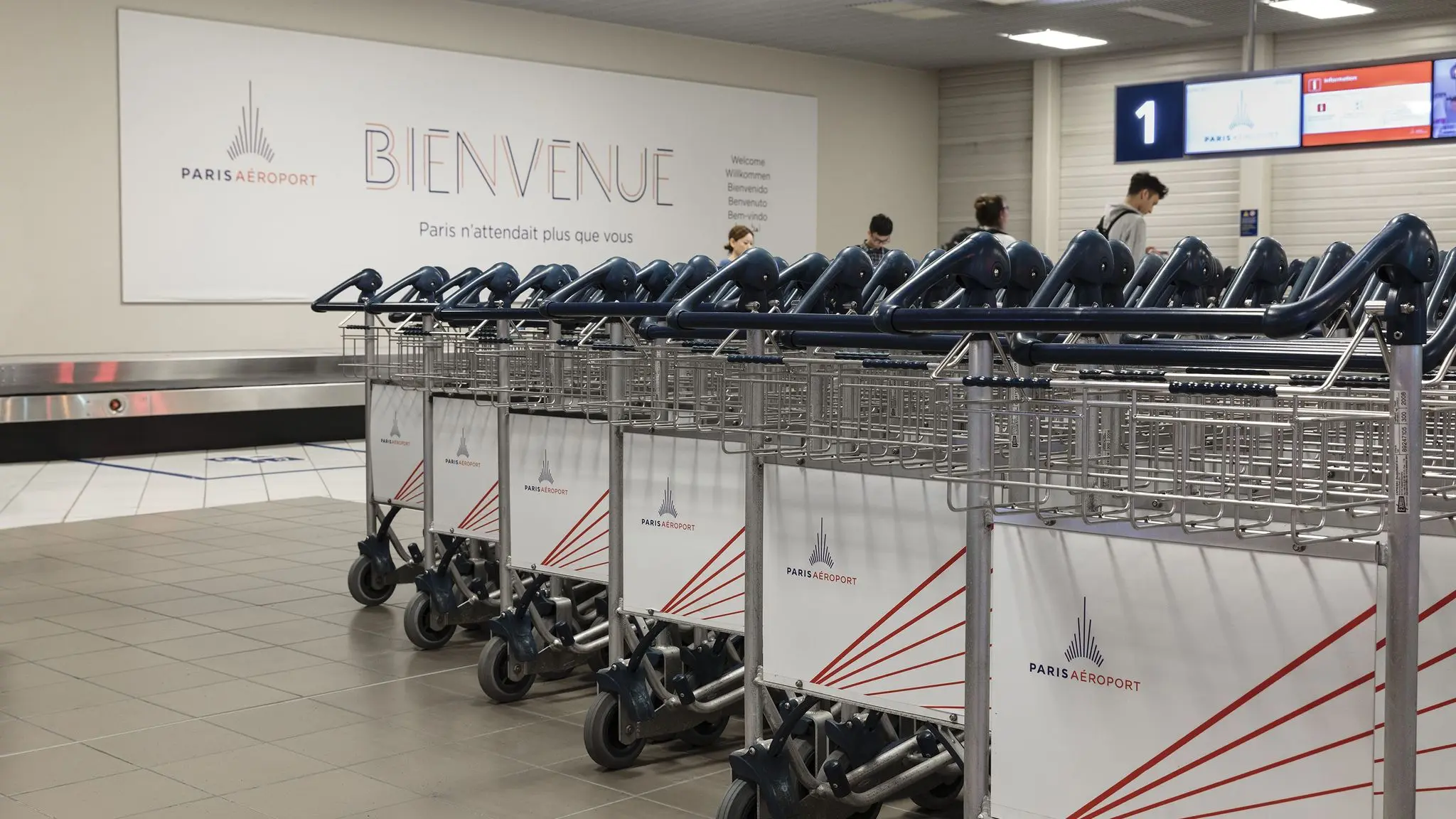
Ground teams locate baggage carts, ground-support equipment and tools across terminals and aprons, keeping high-value mobile assets available and accounted for.

Deployed by Groupe ADP
Airport solutions
Maritime asset tracking

Maritime & cruise

Cruise operators track assets, gas bottles, cages and baggage across decks - preventing loss during operations and drydock while keeping equipment accounted for.

Deployed by Royal Caribbean · Carnival
Maritime solutions
Also applied in
Customer stories

Asset tracking, proven in demanding sites

Hôpital Saint-Antoine Healthcare
Hôpital Saint-Antoine ER3,000 m²100+ mobile assets
Challenge

Caregivers in a high-volume emergency department lost time locating mobile medical equipment across the floor.

Solution

BLE asset tracking on existing infrastructure, with NAO Track, NAO Viewer and NAO Flow.

Results
  • 100+ mobile assets located in real time - stretchers, wheelchairs, scanners, monitors
  • A single live map across a 3,000 m² emergency department
  • Equipment found in seconds instead of corridor-by-corridor searching
Read full case study
Paris-CDG Airports
Paris-CDGMulti-terminal2,000+ BLE APs
Challenge

Locating thousands of baggage carts across terminals wasted agent time and created shortages at peak.

Solution

BLE cart tracking on existing Cisco access points, with NAO Track, NAO Viewer and Cisco Spaces.

Results
  • 6,000-10,000 baggage carts tracked across the airport
  • Live location on 2,000+ BLE-enabled Cisco access points
  • Real-time cart location and zone counting across terminals
Read full case study
Why Pole Star

Pole Star vs traditional RTLS vs manual tracking

Criterion
Pole Star
Traditional RTLS
Manual process
Location precision
Room level
Often single fixed technology
Last-seen guess
Update speed
Real-time
Periodic, varies
Whenever counted
Infrastructure
Runs on existing infrastructure
Dedicated hardware
Spreadsheets
Search per incident
Seconds
Minutes
Minutes to hours
Utilization insight
Built-in analytics
Limited
None
Loss / geofence alerts
Real-time alerts
Varies
None
01

Precision you can choose

WiFi or BLE on the same platform, matched to each asset's value - exact spot where it counts, zone-level where it's enough.

02

Deploys on what you own

Runs on your existing Cisco and HPE Aruba BLE-enabled Wi-Fi - no rip-and-replace, no dedicated positioning grid.

03

Proven at scale

From hospital emergency departments to multi-terminal airports tracking thousands of assets in real time.

FAQ

Asset tracking, answered

How it works · technical
How does asset tracking work?

Each asset carries a small BLE tag. Your existing access points read the tag's signal, and Pole Star's positioning engine turns those signals into a live location on a map. Every asset gets an identity, zone and status you can search, with alerts and analytics on top.

How accurate is asset tracking with BLE?

BLE delivers zone or room-level accuracy - enough to answer "which room is this pump in?" Where you only need broader, area-level coverage, Wi-Fi positioning reuses the same access points. The right choice depends on how precisely you need to find each asset.

What's the difference between BLE and Wi-Fi for asset tracking?

BLE is the primary technology: small tags on your assets, read by existing BLE-enabled access points, giving zone-level location with multi-year tag battery life. Wi-Fi positioning reuses those same access points for broader, area-level coverage. Both run on infrastructure you already own - no dedicated hardware.

Can I track assets in real time, or is it periodic?

Tracking is real time. As tagged assets move, their position updates continuously on the live map, and rules can fire alerts the moment an asset enters or leaves a zone.

How do geofence alerts work?

You define virtual boundaries around zones - a restricted dock, a ward, an exit. When a tagged asset crosses one, Pole Star triggers an instant alert and can automate a follow-up action, so unauthorized moves are caught as they happen.

Can it measure how assets are used?

Yes. Utilization analytics show how often, how long and where each asset is used, so you can right-size fleets, redeploy idle equipment and support purchasing decisions with real data.

Deployment & infrastructure
Does asset tracking require new infrastructure?

No. BLE asset tracking runs on your existing BLE-enabled Wi-Fi. Pole Star reads tags on the access points you already operate, which keeps deployment fast and avoids a dedicated positioning grid.

Does it work with our Cisco or HPE Aruba access points?

Yes. Pole Star integrates with Cisco (including Cisco Spaces) and HPE Aruba to read BLE from your existing access points. These are among our most common deployment paths in hospitals and airports.

How long does deployment take?

Because asset tracking uses your existing infrastructure, deployments are typically measured in weeks rather than months. Timelines depend on site size, tag volume and how the network is configured.

What happens if the Wi-Fi goes down - do I lose tracking?

Live updates depend on the network reading the tags, so an outage pauses new position updates. For environments that demand continuous availability, Pole Star offers on-premise deployment so the location engine keeps running locally, independent of external connectivity.

How many assets can it track?

The platform scales from a single department to multi-site estates. In production it tracks fleets ranging from hundreds of mobile medical devices to several thousand baggage carts across an airport.

ROI & business case
What is the ROI of asset tracking?

Return comes from three levers: staff spend less time searching, fewer assets are lost or stolen, and fleets are right-sized instead of over-bought. Since average mobile equipment utilization sits around 42% (GE Healthcare), most facilities own more than they use - visibility turns that waste into savings.

How does it reduce equipment loss?

Every tagged asset is continuously located, and geofence rules alert you the moment one leaves where it belongs. That real-time visibility deters theft, catches unauthorized exits and makes recovering misplaced equipment straightforward.

How does it help procurement decisions?

Utilization data replaces guesswork. Instead of buying more equipment because staff can't find what exists, procurement sees real usage per asset type and can redeploy idle units or right-size the next purchase.

Does it reduce equipment rental costs?

Yes. When you can locate and reuse the equipment you already own, you rely less on renting extra units to cover for assets that were simply misplaced.

Who benefits most from asset tracking?

Facilities running large fleets of mobile equipment across complex sites - hospitals, airports, manufacturing plants and cruise ships - see the fastest, clearest return.

Security, compliance & data
Is asset location data secure?

Yes. Location data is access-controlled and can be restricted to authorized users and teams. Deployments follow enterprise security practices, and on-premise options keep data within your own environment.

Can location data stay on-premise?

Yes. Pole Star supports fully on-premise deployment, so the location engine and data remain inside your infrastructure - important for sites with strict data-sovereignty or connectivity constraints.

Does asset tracking track staff or patients?

Asset tracking is for equipment. Locating people is a separate solution with its own privacy controls - see worker safety. Asset and people tracking are configured and permissioned independently.

Does it support audit and compliance reporting?

Yes. A live asset registry and exportable reports give you the current location and history of every asset, which makes inventory counts and compliance audits fast and defensible.

Who can see asset location data?

Access is role-based. Administrators control which teams and users can view or act on asset data, so visibility matches each role's responsibilities.

Get started

See asset tracking live in your facility

Book a demo and we'll show you real-time location, geofence alerts and utilization analytics on your own floor plan.

  • Runs on your existing Cisco / Aruba infrastructure
  • BLE tracking, with Wi-Fi coverage, on one platform
  • Proven from hospital ERs to airport terminals
Talk to our team

Ready to see it on your own floor plan? Get in touch and we'll set up a demo.

Book a demo
Scroll to Top