
Protecting residents
without confining them.
Across three buildings, Pole Star unifies staff duress, wireless nurse call and resident wandering detection in one indoor location platform. Geofencing detects abnormal movement or unauthorized exits - so teams intervene quickly, while residents keep their autonomy.
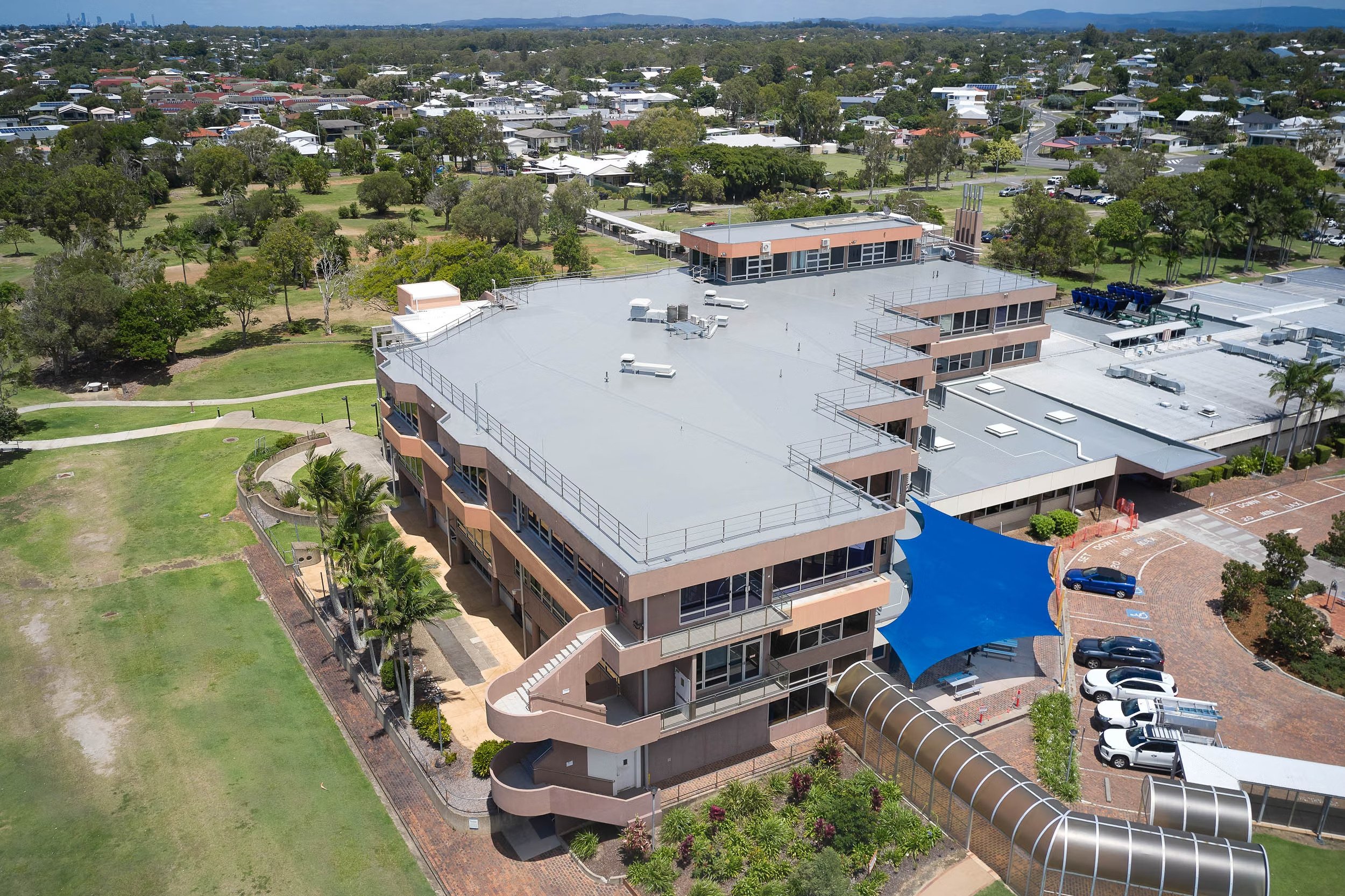 3 buildings · 7,700 m²
Two populations to protect, in the same buildings
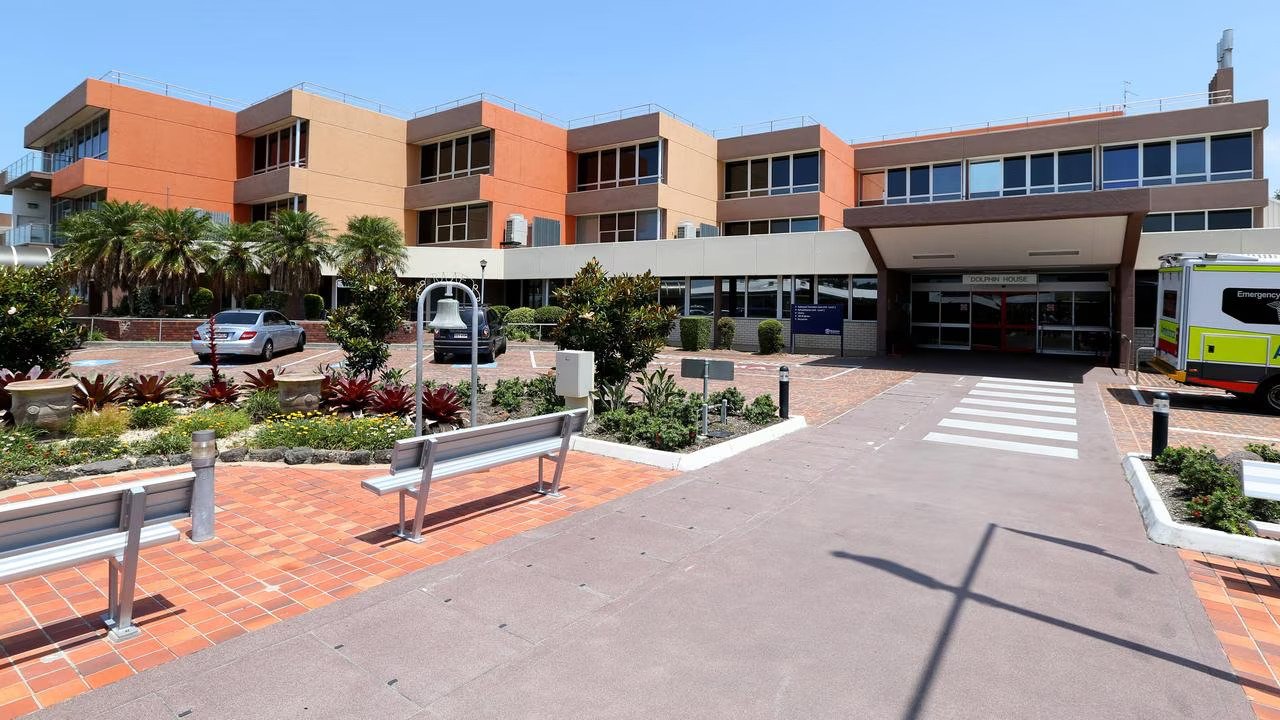
Brighton Health Campus is a healthcare and senior living environment composed of three buildings covering a total of 7,700 m². The campus must simultaneously manage the safety of staff and the well-being of residents across a complex, multi-building layout.
Staff
Protection during incidents, and nurse call workflows that respond to the right place.
Residents
Continuous well-being monitoring - without turning the campus into a closed environment.
Deploy a unified safety solution capable of handling staff protection, nurse call workflows and resident monitoring within the same indoor location platform - while ensuring precise localization and operational reliability.
Three safety workflows, one indoor location system
Pole Star implemented a comprehensive solution combining staff duress, wireless nurse call and resident wandering detection within a single indoor location system.
Staff duress
Staff members are equipped with badges featuring an emergency button, enabling immediate alert triggering and precise localization in case of incident.
Wireless nurse call
Assistance requests are instantly associated with an exact indoor location, improving response accuracy.
Resident wandering
Wearable devices enable continuous monitoring of movements. Geofencing rules detect abnormal behavior or unauthorized exits.
Intervening quickly, without taking away freedom
This is the balance that matters most in senior living. Geofencing lets care teams intervene quickly when something is wrong - an unauthorized exit, an abnormal movement pattern - while preserving residents' autonomy the rest of the time. Residents move freely; the system watches only for the exceptions.

Precision across a multi-building campus
The solution relies on Pole Star's indoor location platform, dimensioned to ensure precise, reliable localization across a complex, multi-building campus.
NAO® Track NG
As the real-time location and alert engine driving all three workflows.
NAO® BlueListener 3-Play
100+ units deployed to collect BLE signals across the campus.
NAO® BlueSpot
190 units to enhance indoor positioning accuracy.
Wearables & badges
70+ resident wearables and 30+ staff badges equipped with panic buttons.

Dimensioning the BLE infrastructure at this density is what makes 360 distinct geofencing zones workable - the granularity the wandering use case depends on.



Modernize hospital operations without rebuilding your infrastructure
Looking to improve equipment visibility, staff efficiency and patient operations? Discover how real-time indoor location can be deployed using your existing Wi-Fi network—without disruptive infrastructure projects.
- Locate critical medical assets in real time
- Improve workflow efficiency across departments
- Leverage your existing Cisco Wi-Fi infrastructure