
Why RTLS is becoming the standard for hospital asset tracking ?
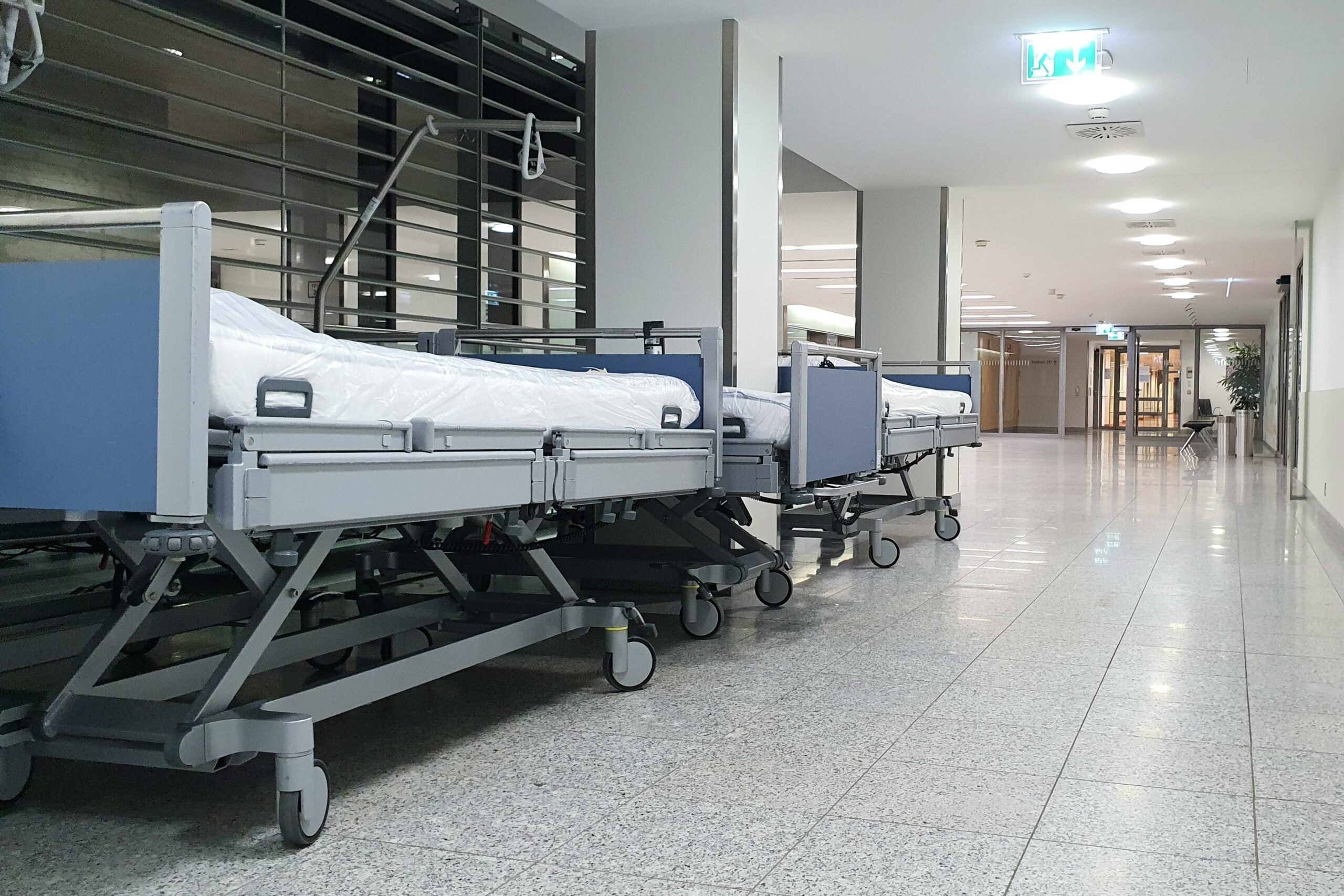
Hospitals are among the most complex operational environments in the world. Yet in many facilities, clinicians still spend valuable time searching for mobile medical equipment such as stretchers, ECG systems, ultrasound devices, wheelchairs or infusion pumps – time that should be spent delivering care. The issue is not anecdotal: it is measurable, documented and financially significant.
The hidden time drain in healthcare
Several industry studies quantify the problem and highlight a structural inefficiency in hospital operations. A survey cited by the American Hospital Association (AHA) indicates that nurses spend up to 30–60 minutes per shift searching for equipment in large facilities. Research referenced in healthcare asset management reports shows that one in three nurses spends at least one hour per shift locating devices. Operational analyses in European healthcare systems further suggest that clinicians may dedicate 10–15% of their time to non-clinical activities, including equipment search and logistics. The ECRI Institute has repeatedly highlighted how poor asset visibility contributes to underutilization and unnecessary medical equipment purchasing.
In a 500-bed hospital, this can represent thousands of lost clinical hours per month. If a nurse earning €35/hour spends 45 minutes per shift searching for equipment, across 200 nurses, the annual productivity loss can exceed €1.5–2 million – without accounting for indirect impact on patient flow or care delays. The time lost is rarely visible in dashboards, yet deeply embedded in daily workflows.
The financial impact of poor hospital equipment management
Beyond productivity loss, lack of real-time asset visibility generates cascading financial consequences. Hospitals frequently over-purchase mobile medical equipment due to uncertainty around availability. Industry estimates suggest over-acquisition can reach 10–20% of actual operational need. At the same time, utilization studies conducted before RTLS deployment often reveal equipment utilization rates as low as 35–40%.
When devices cannot be found, organizations resort to temporary rentals, urgent procurement or internal reallocations. Healthcare IoT market analyses indicate that real-time asset tracking can reduce equipment rental costs by 20–30%. The paradox is clear: hospitals often own enough equipment – they simply lack visibility.
Why RTLS is the gold standard for hospital asset tracking ?
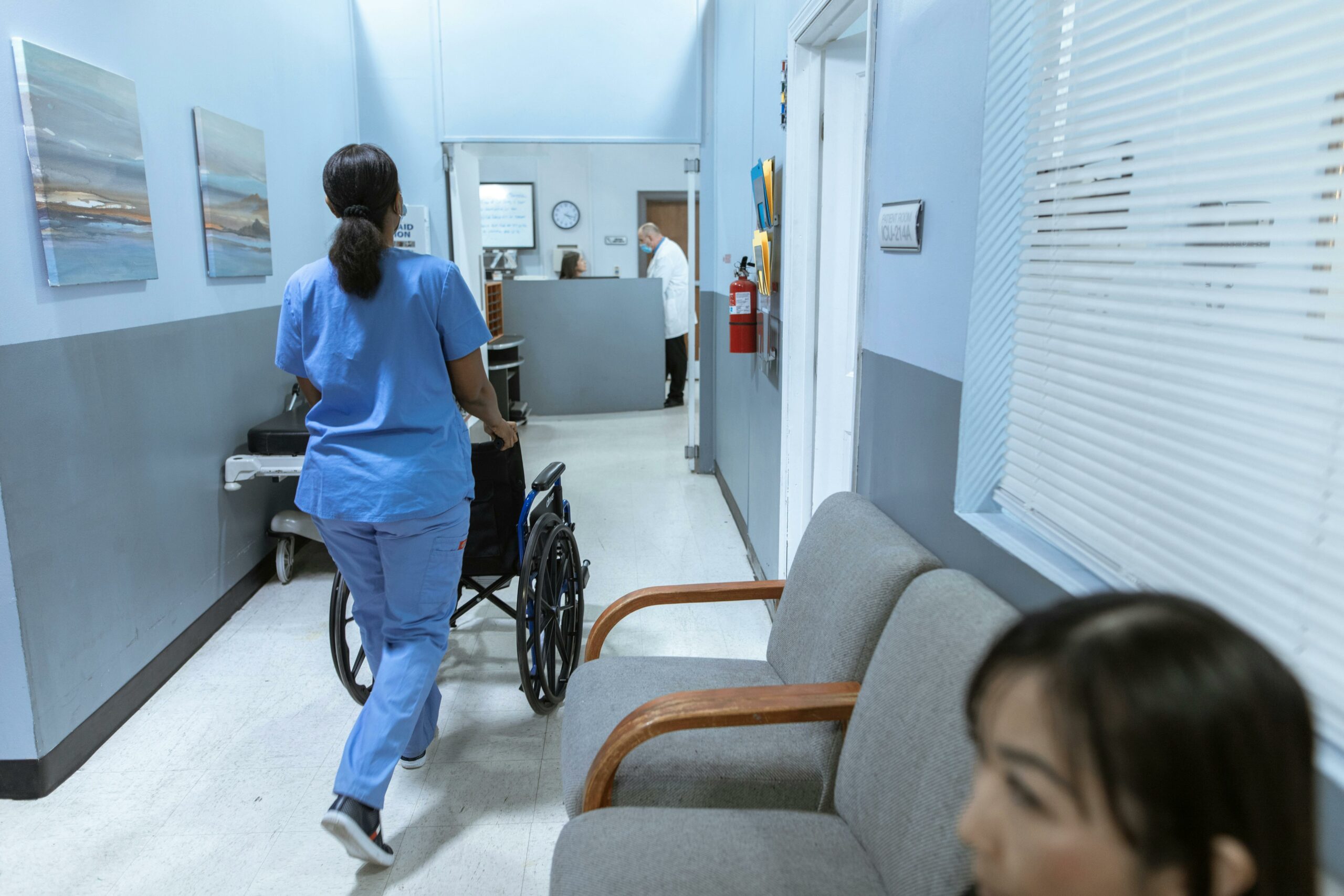
To address these inefficiencies, healthcare organizations are increasingly implementing Real-Time Location Systems (RTLS) as a core infrastructure layer. An RTLS healthcare solution enables continuous, automated indoor tracking of mobile assets across complex hospital environments. Unlike barcode systems or manual audits that depend on human intervention, RTLS operates passively and continuously, delivering live data without disrupting clinical workflows.
How RTLS works in a hospital environment (Pole Star architecture) ?
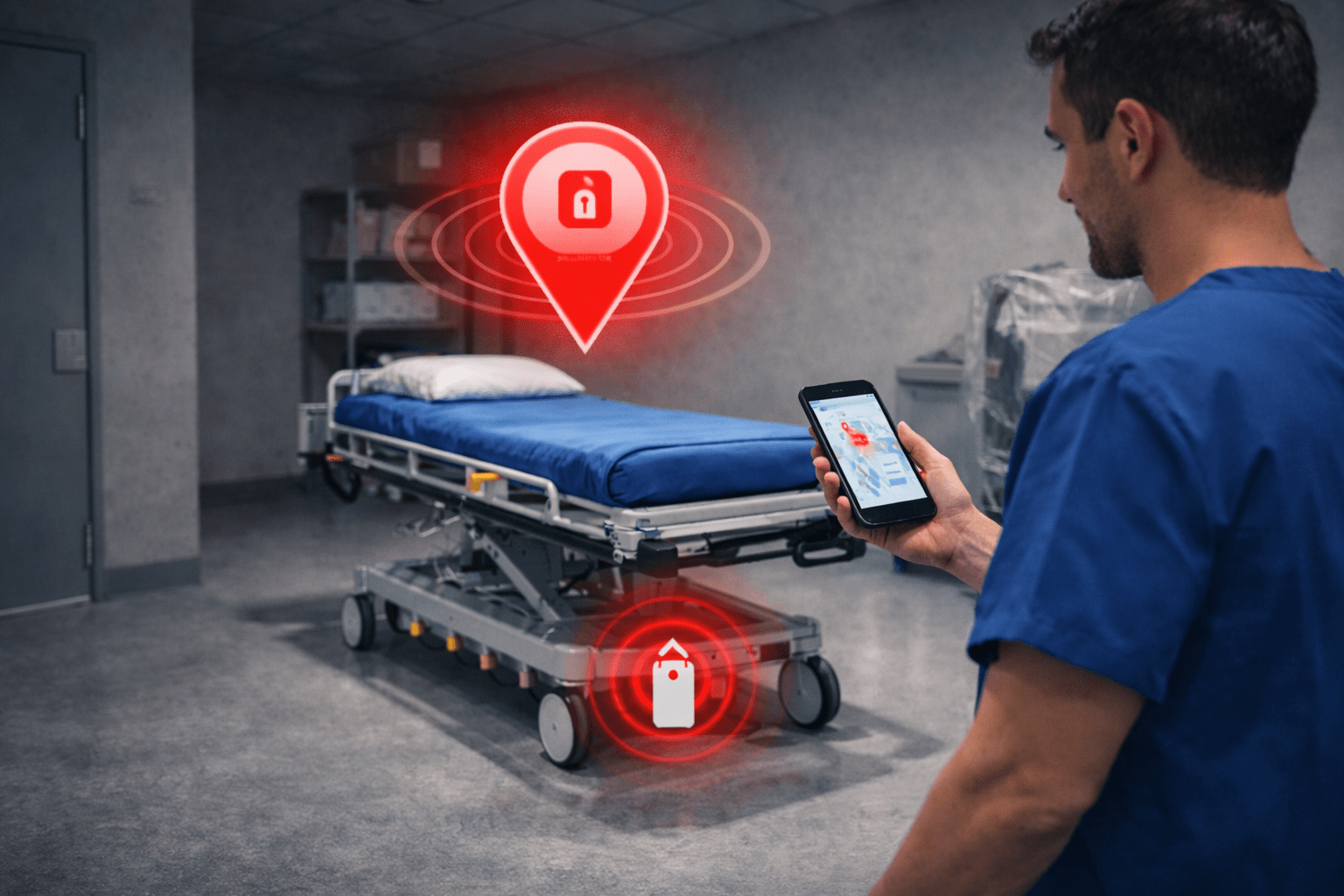
In a hospital deployment powered by Pole Star, the system leverages existing infrastructure while minimizing operational disruption. Mobile medical equipment is equipped with Bluetooth Low Energy (BLE) tags that continuously emit low-energy signals. These signals are captured by the hospital’s existing Wi-Fi access points or BLE receivers, allowing the positioning engine NAO® Track to calculate precise indoor locations in real time.
Asset positions are then displayed through NAO® Viewer, a web-based supervision platform accessible to nurses, physicians and operational managers. From an interactive floor map, users can instantly search for equipment, identify the nearest available device, check its last known position and analyze movement or utilization patterns. NAO® Flow complements this architecture by providing workflow analytics and operational insights, enabling leadership teams to monitor asset circulation and dwell times across departments.
Because the system relies primarily on BLE technology and existing network infrastructure, deployment can scale across large hospital surfaces without heavy hardware investment. The technology itself is defined as a system capable of automatically identifying and tracking the location of objects or people in real time within a defined space.
The broader market reflects this structural shift. According to Grand View Research, the healthcare RTLS market exceeded $1.8 billion in 2022 and is projected to grow at over 17% annually. By transforming physical asset movement into actionable digital data, RTLS shifts hospital equipment management from reactive searching to measurable, real-time operational intelligence.
Measurable impact of RTLS in hospitals
Published RTLS deployments in healthcare environments consistently report substantial operational improvements, including up to 50–80% reduction in equipment search time and 15–25% improvement in equipment utilization rates.
These gains translate into more predictable workflows, faster access to diagnostic tools and improved coordination across departments. For hospital executives, the implications are strategic: better capital allocation, reduced redundant purchasing and measurable return on existing assets. For software integrators and healthcare IT providers, RTLS becomes a powerful integration layer connecting physical infrastructure with CMMS platforms, hospital information systems and broader IoT healthcare ecosystems.
RTLS and the future of smart hospitals
Healthcare systems face mounting structural pressures: workforce shortages, constrained budgets and rising patient volumes. Hospital asset tracking powered by RTLS delivers operational transparency, measurable KPIs and scalable infrastructure ready to support advanced analytics and AI-driven optimization.
Hospitals do not lack equipment – they often lack visibility. In modern healthcare environments, Real-Time Location Systems (RTLS) are emerging as the most scalable and ROI-positive solution for hospital asset tracking.