Royal Caribbean Cruise Line - Kids Tracking

Context & challenges

On board large cruise ships, ensuring child safety is a critical challenge due to the exceptional size of modern vessels, the high volume of passengers, and the complexity of indoor environments. Ships operate as floating cities, with multiple decks, public areas, activity zones and dedicated spaces for children, making supervision particularly demanding.

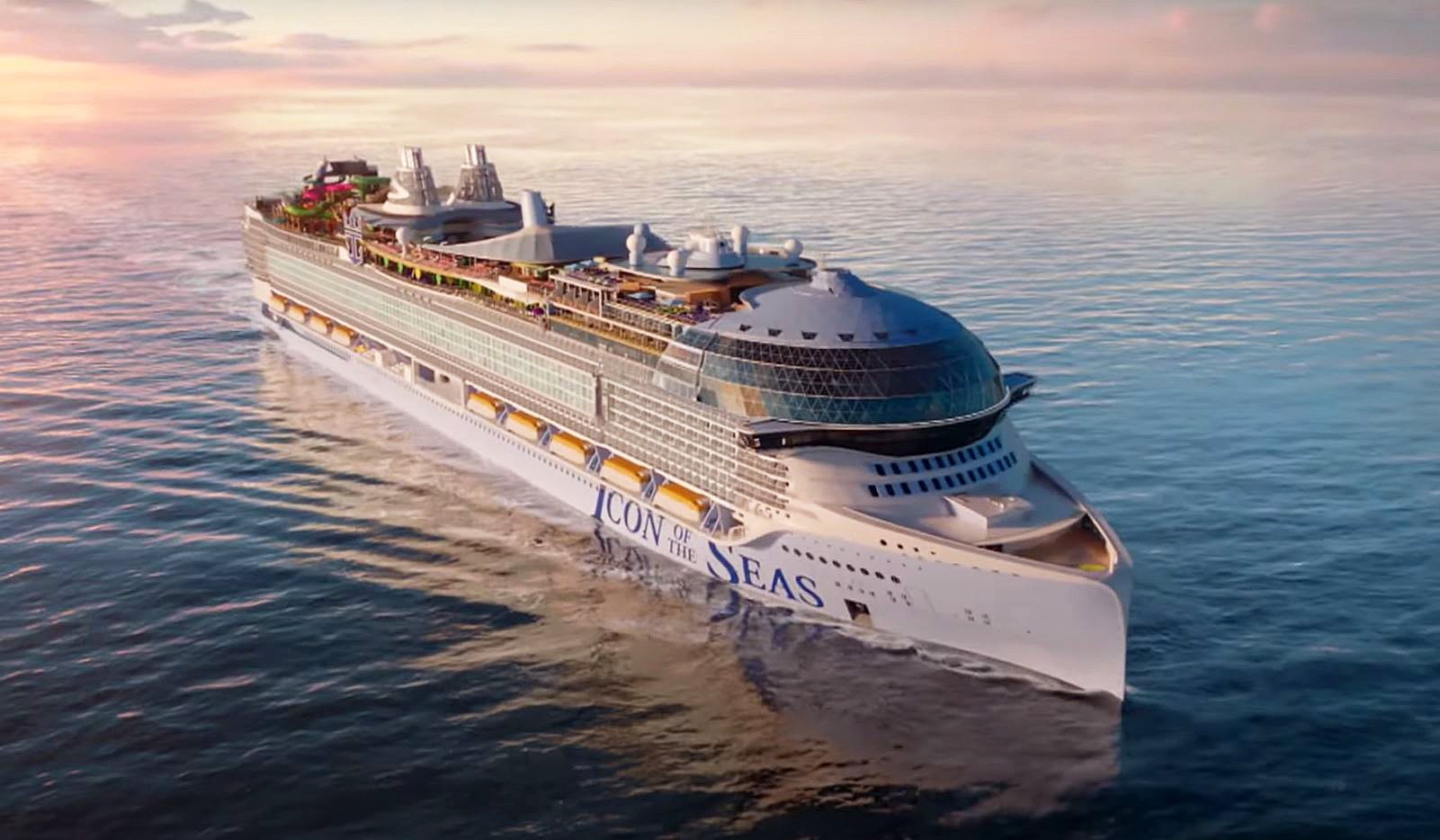
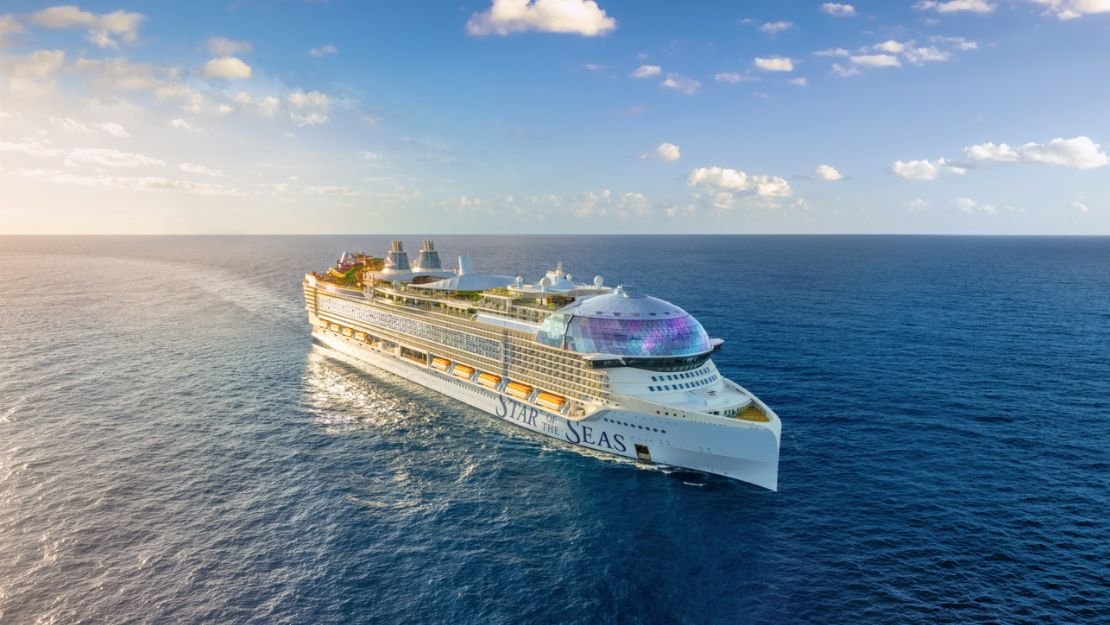
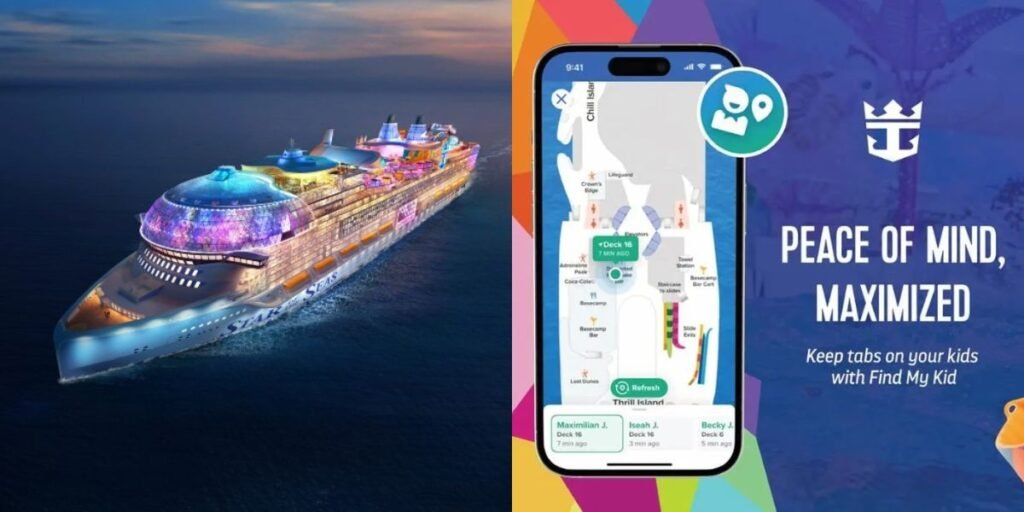
The project covers next-generation cruise ships, including Icon of the Seas, the largest cruise ship in the world, and Star of the Seas. In this context, traditional supervision methods are not sufficient to guarantee continuous visibility or rapid response if assistance is required.

The objective was to deploy a real-time, scalable and highly reliable kids tracking solution, capable of operating across the entire passenger area of the ship while complying with strict maritime and connectivity constraints.
Project scope

The deployment is designed to operate at very large scale and includes:

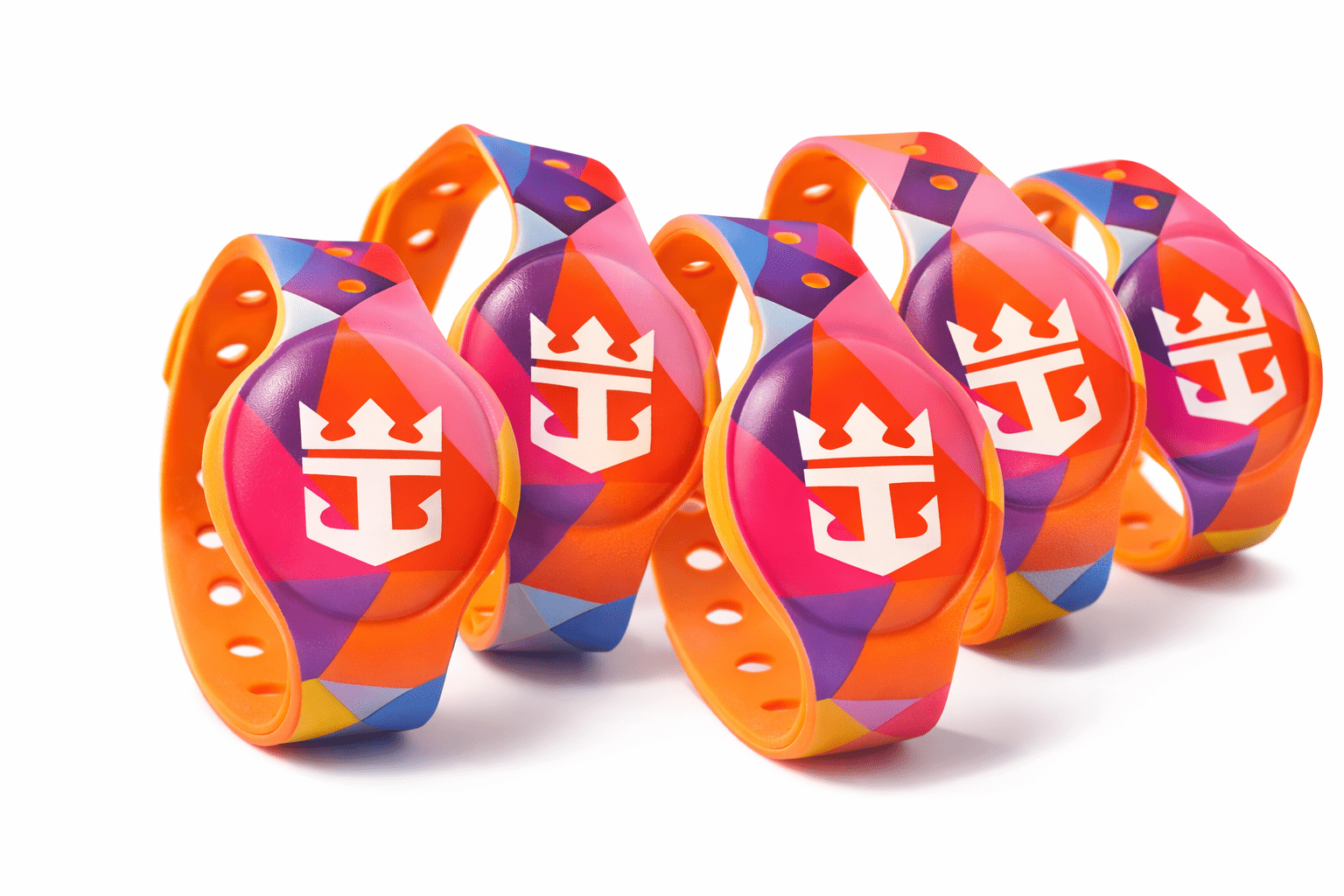
  • Up to 1,000 BLE bracelets for children per cruise

  • 4,000+ BLE-enabled Cisco access points across passenger areas

  • Coverage of all passenger-accessible zones, across multiple decks

  • A fully on-premise architecture, adapted to maritime environments and connectivity constraints

This scope ensures consistent tracking and supervision across the full onboard experience.

Solution deployed

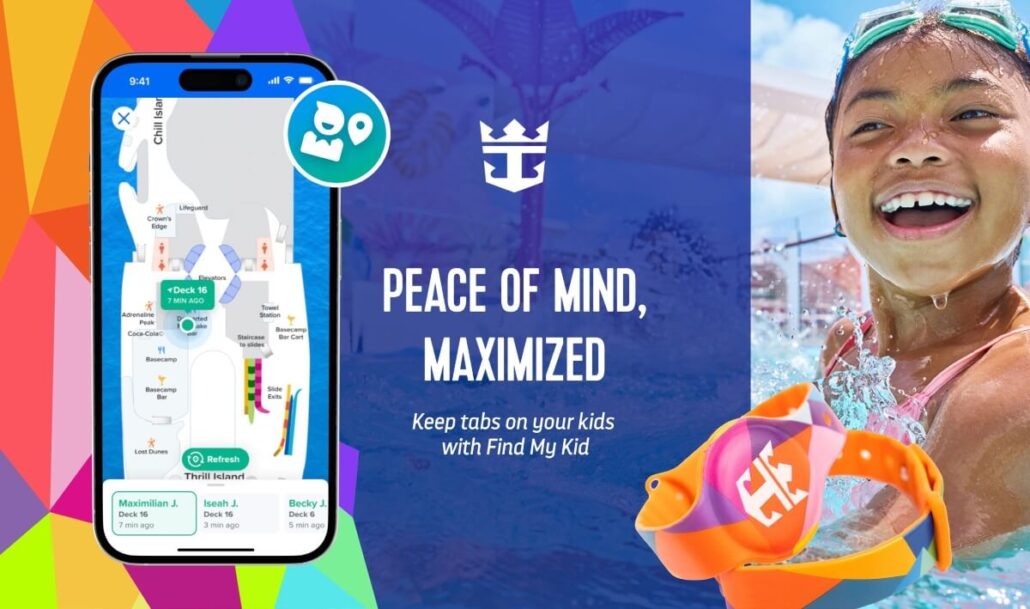
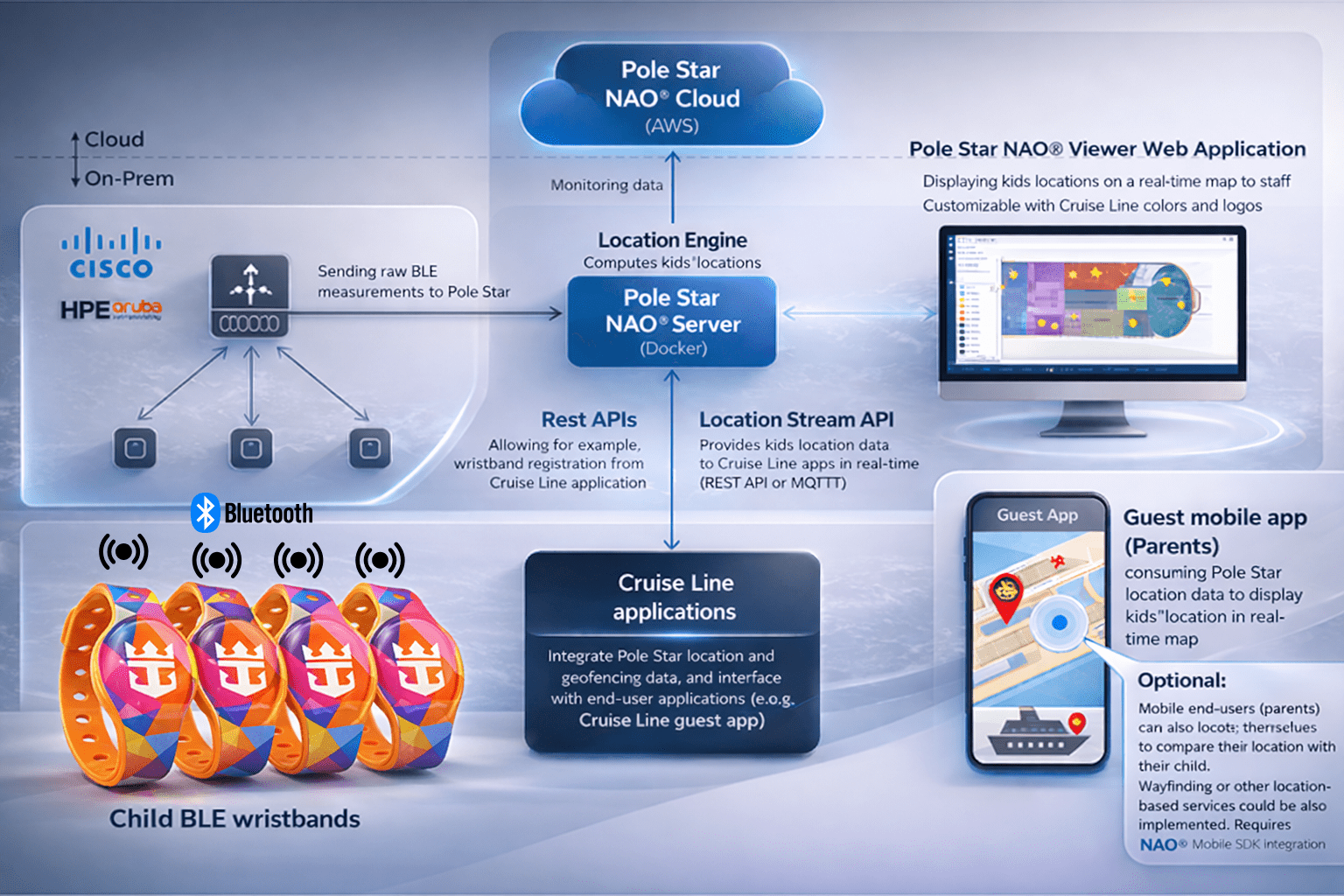
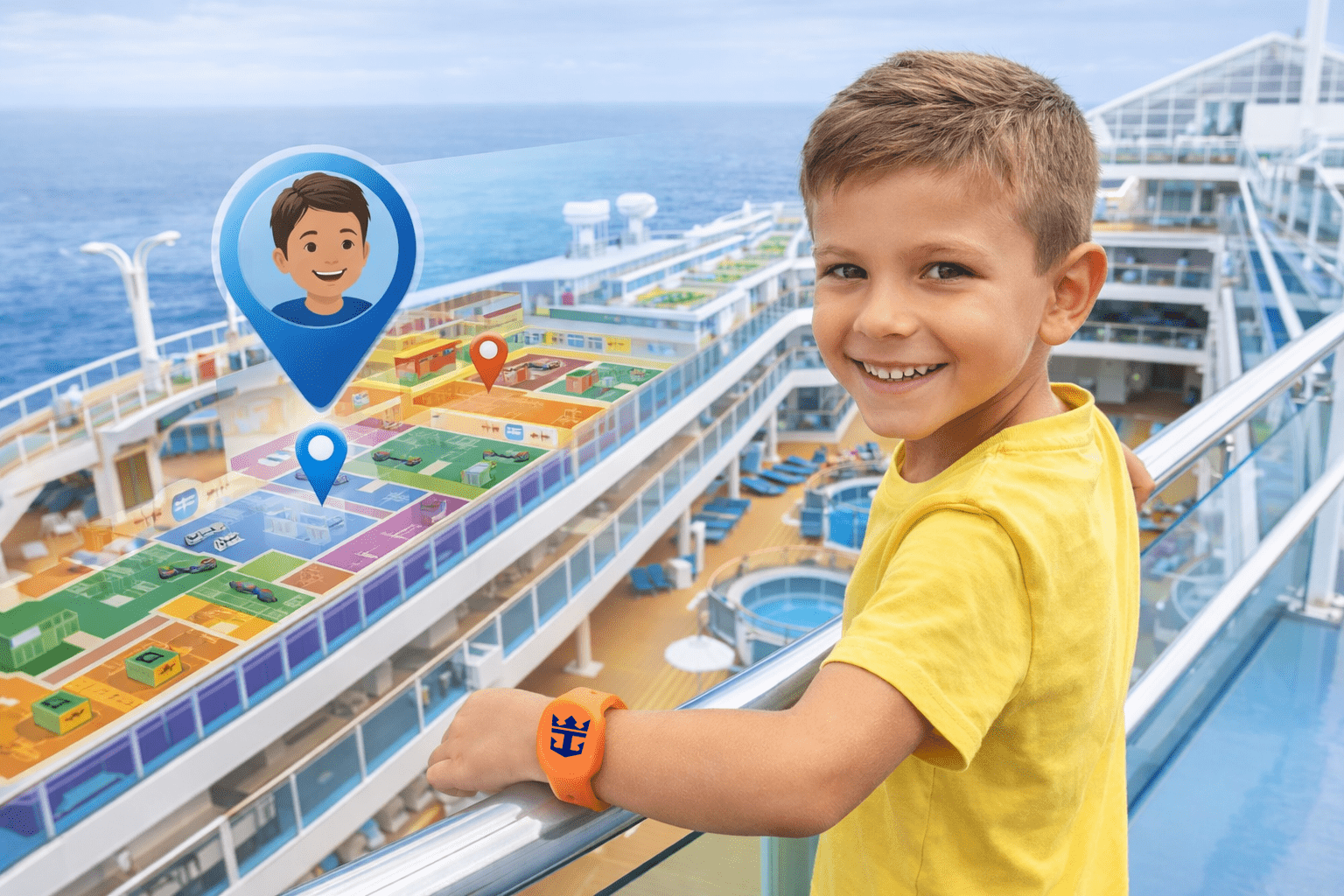
Pole Star implemented a kids tracking solution based on BLE wearable bracelets designed specifically for children. Each bracelet emits Bluetooth Low Energy signals that are captured by the ship’s existing BLE-enabled network infrastructure.

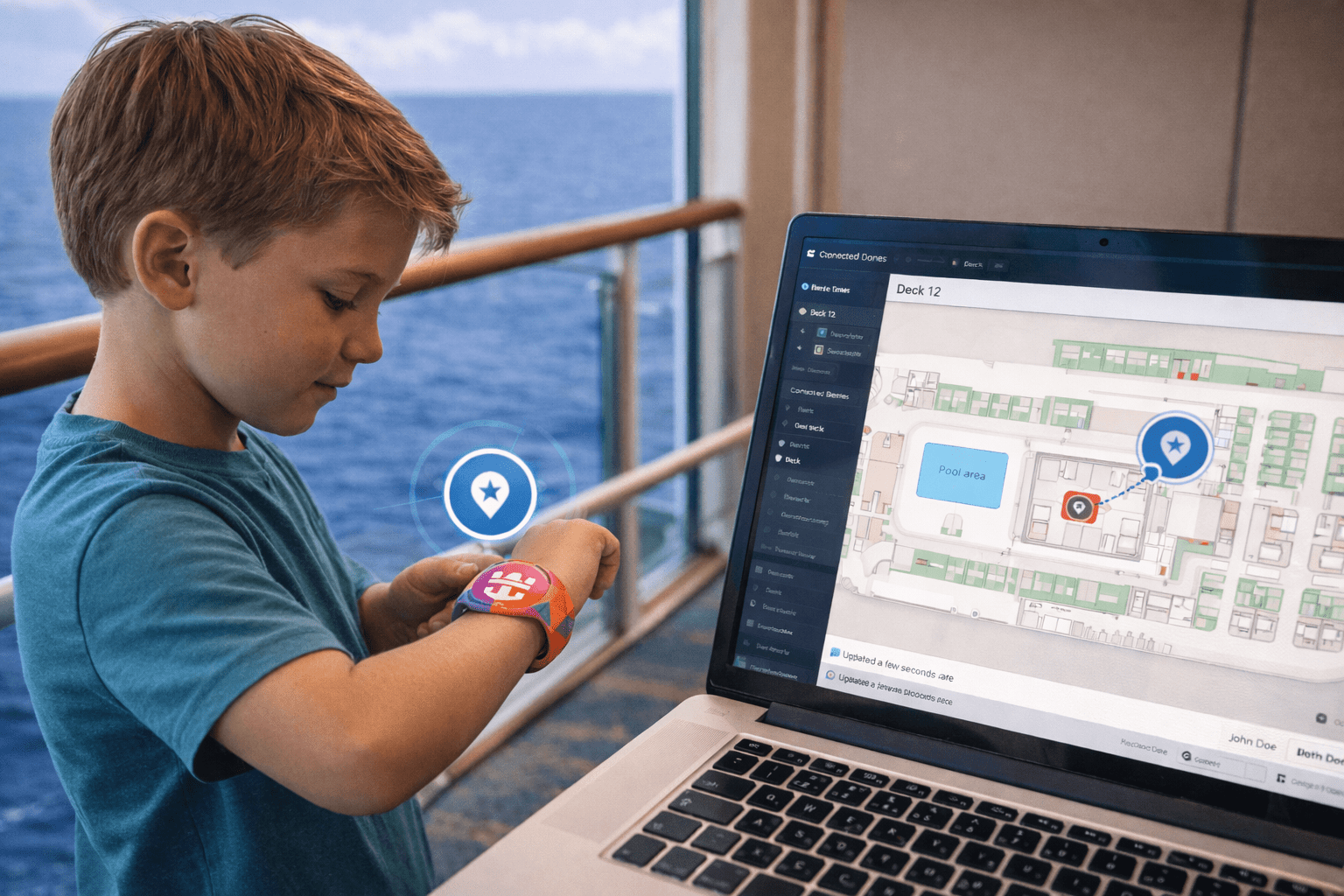
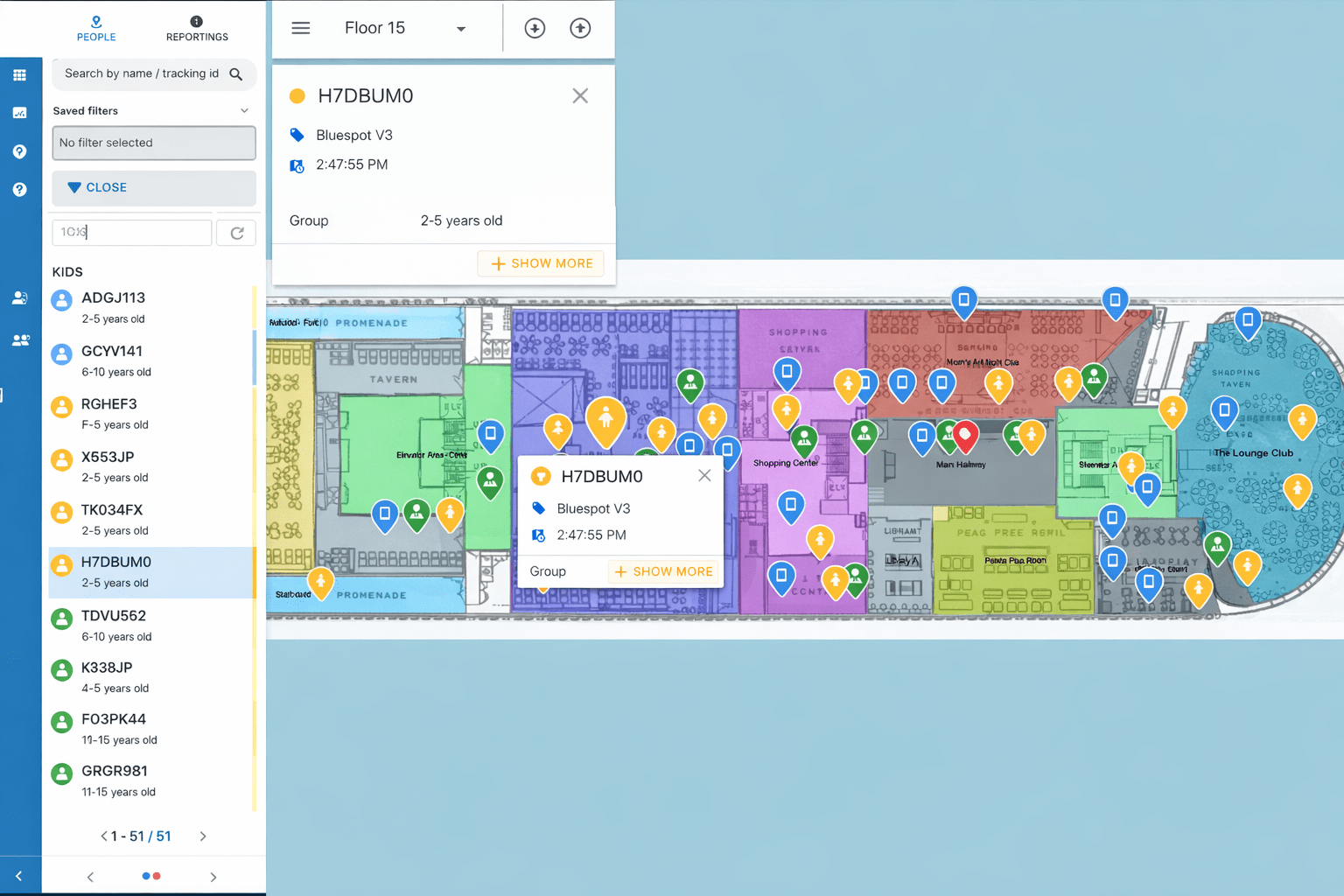
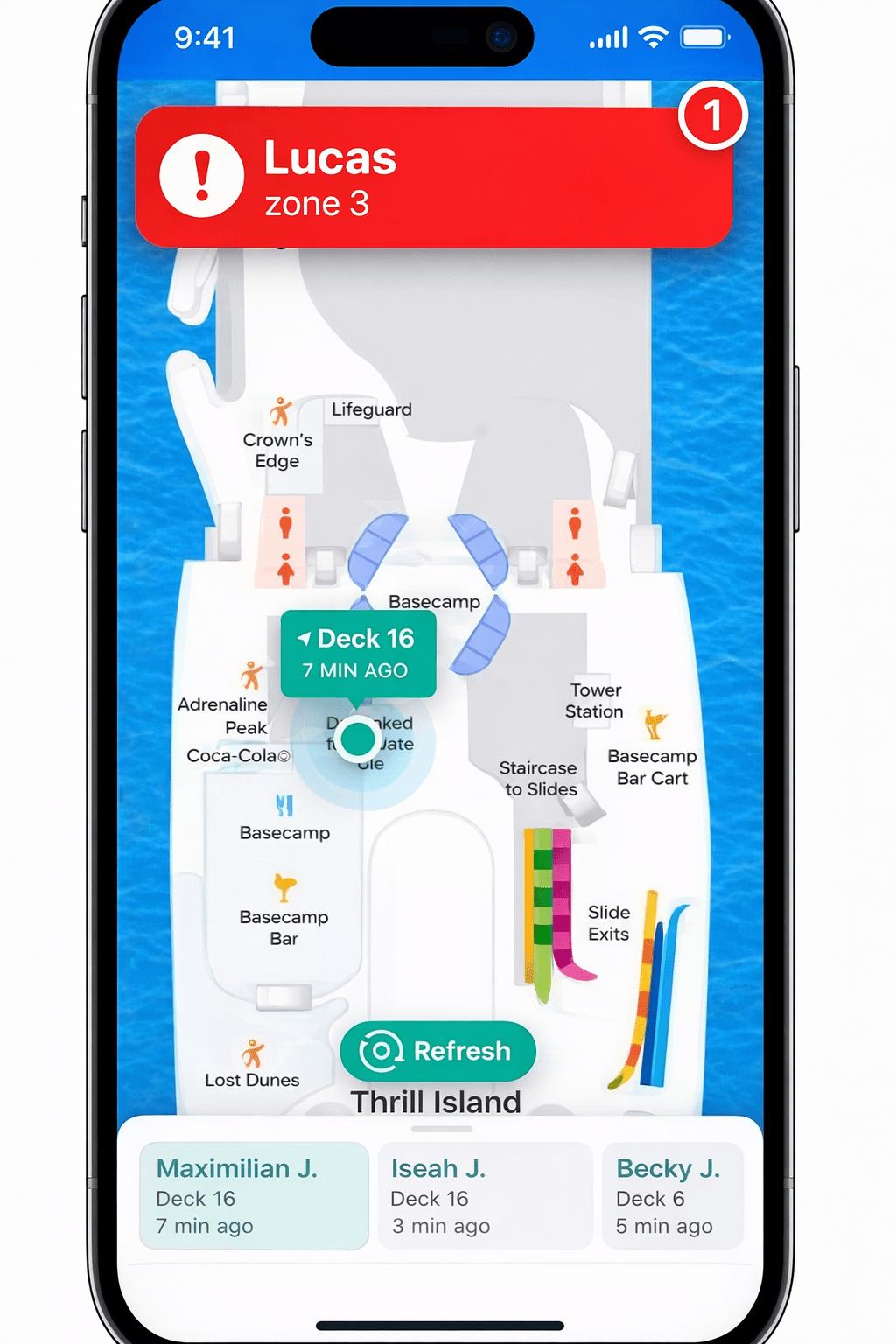
Using these signals, Pole Star computes the real-time indoor location of each child and displays positions on custom multi-deck maps. Location data is refreshed continuously and made available only to authorized users, ensuring both operational efficiency and data privacy.

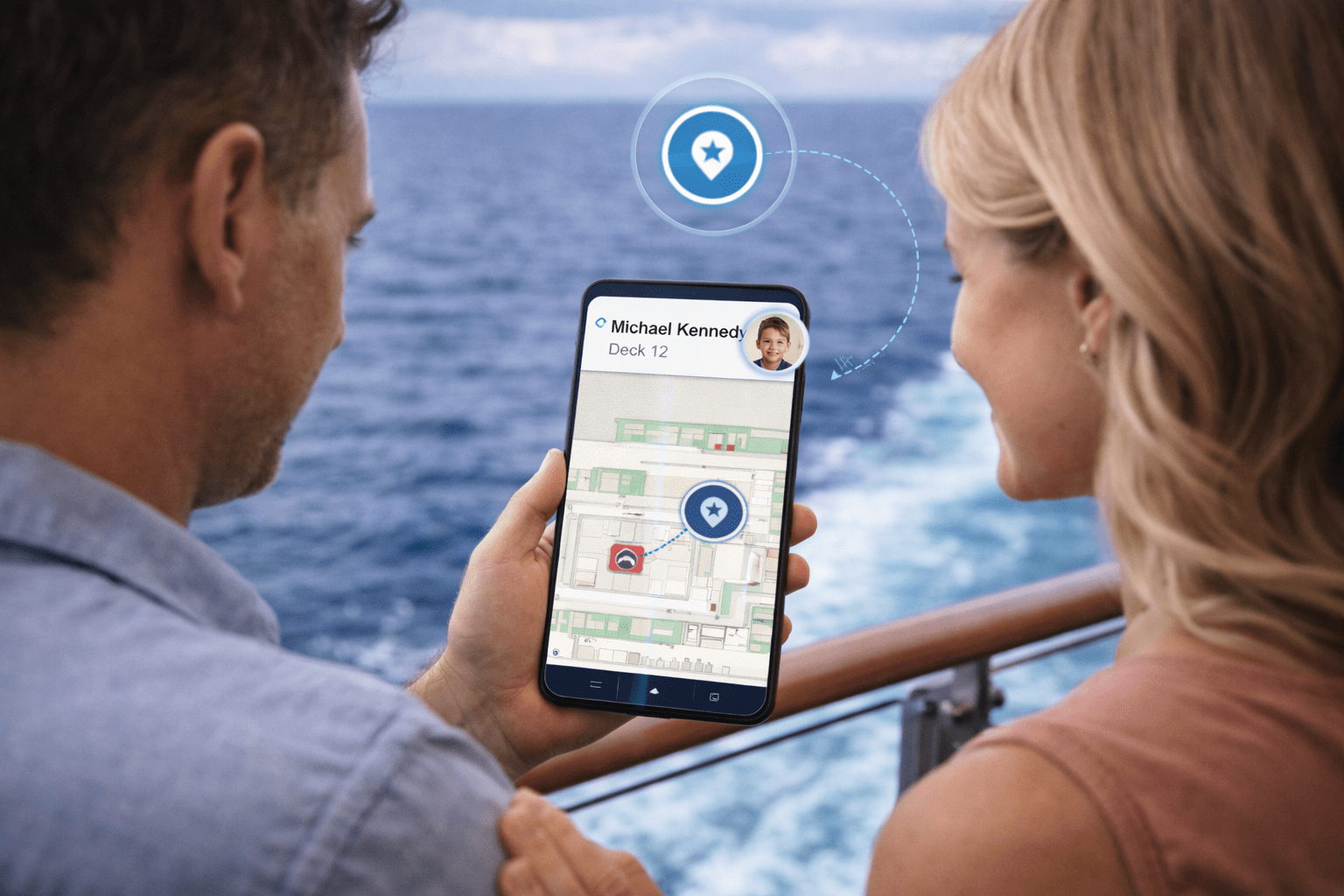
Parents can access their child’s location directly through the passenger mobile application, providing reassurance throughout the cruise. In parallel, onboard teams rely on dedicated supervision interfaces to monitor situations and respond quickly when assistance is needed.

Pole Star architecture & solutions

The solution relies on a robust and maritime-ready location architecture:

  • NAO® Track for real-time position computation of BLE bracelets

  • NAO® Viewer for live visualization on customized, multi-deck maps

  • Cisco Spaces (Local Firehose) for local BLE data collection and transmission

  • Real-time APIs (MQTT) enabling seamless integration into onboard passenger and crew applications

The fully local architecture ensures low latency, high availability and independence from external connectivity.

Operational capabilities

The solution provides:

  • Real-time localization of children across all passenger areas

  • Multi-deck cartographic visualization, adapted to complex ship layouts

  • Continuous position updates to support rapid intervention

  • Local processing ensuring fast response times and operational resilience

  • Customized user interfaces aligned with the cruise line’s branding

These capabilities allow onboard teams to maintain continuous situational awareness without impacting the passenger experience.

Operational benefits

The deployment delivers clear operational and experience benefits:

  • Enhanced child safety across large and complex vessels

  • Increased parental reassurance through direct access to location information

  • Improved responsiveness of onboard staff in case of assistance or incident

  • A highly scalable solution, capable of supporting thousands of wearables per voyage

Partners

Scroll to Top