Indoor positioning enables realtime location of smartphones, badges, and connected assets inside buildings—where GNSS cannot operate. It powers a new generation of smart services including geofencing, analytics, counting, indoor navigation, asset tracking, and safety applications.With Pole Star, these services become highly accurate, reliable, and easy to integrate into your business applications.
Inside buildings, GNSS signals (GPS, Galileo) are weak or unavailable. Indoor positioning relies instead on radio signals and sensors in the environment—such as BLE, WiFi, and UWB—as well as sensors embedded in devices (accelerometer, gyroscope, compass, barometric pressure).
A positioning engine aggregates, filters, and interprets these signals (calibration, sensor fusion) to compute a precise, stable, and continuous position, delivered in real time through SDKs, APIs, or system connectors.
Key techniques used
Trilateration / Triangulation using signal strength (RSSI), TimeofFlight (ToF), or AngleofArrival (AoA)
Radio Fingerprinting, ideal for complex environments, analyzing electromagnetic signatures to recognize a device or tag
Sensor Fusion, combining radio and motion sensors for enhanced stability
Inertial Positioning using onboard motion sensors to estimate trajectory
Digital Indoor Mapping including floorplans, levels, zones, and points of interest
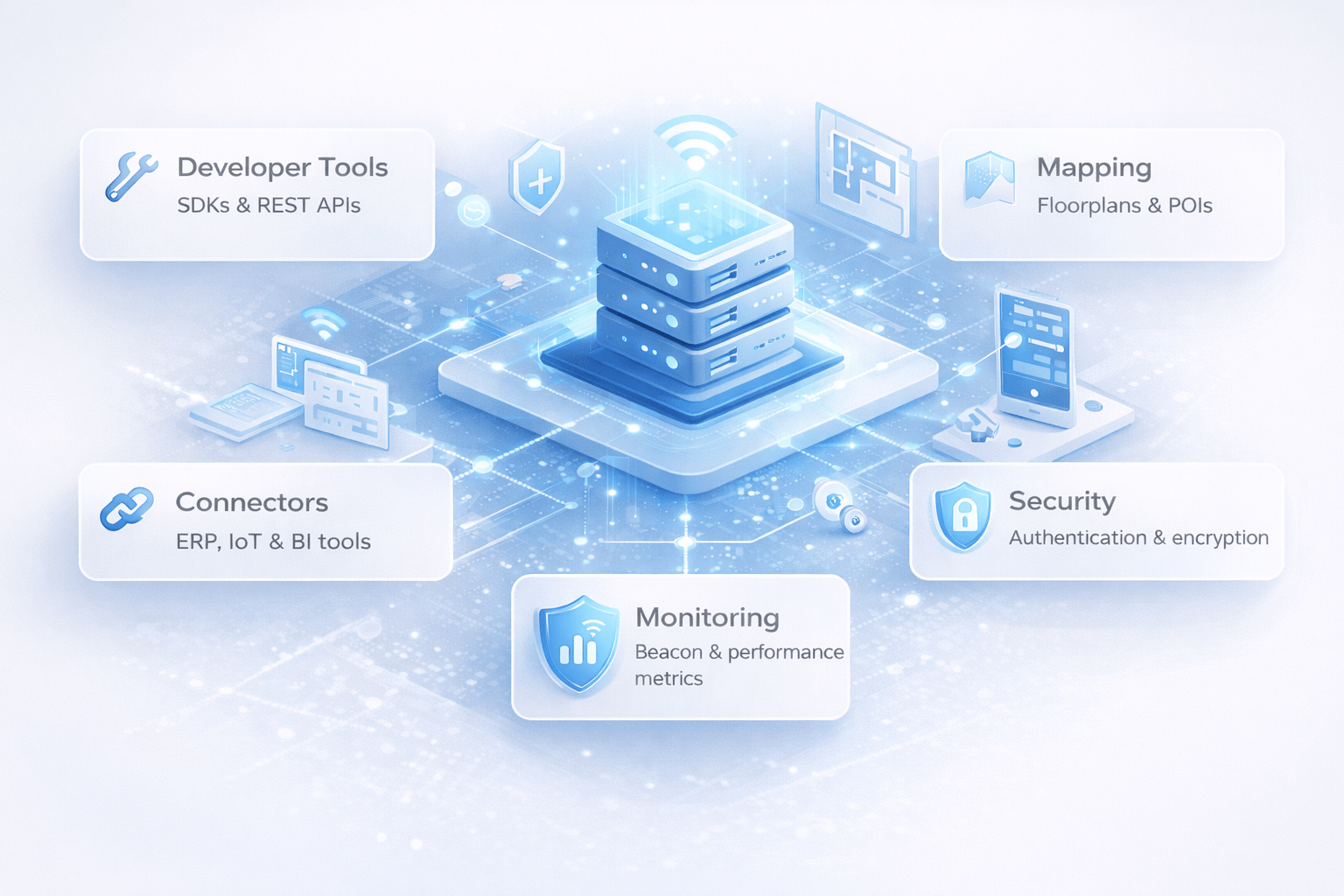
Typical architecture
Sensors & Infrastructure: BLE beacons, WiFi/BLE access points, listeners/gateways
Location Engine: calibration, computation, filtering, AI, deep learning
Platform: site configuration, maps, geofences, access rights
APIs / SDKs / Connectors: integration with mobile apps, MES/ERP/CMMS/BMS, BI tools
Key features enabled by Indoor Positioning
These are the most requested features by our customers and technology partners (integrators, VARs, OEMs). Each module can be activated independently and combined as needed.
Geofencing
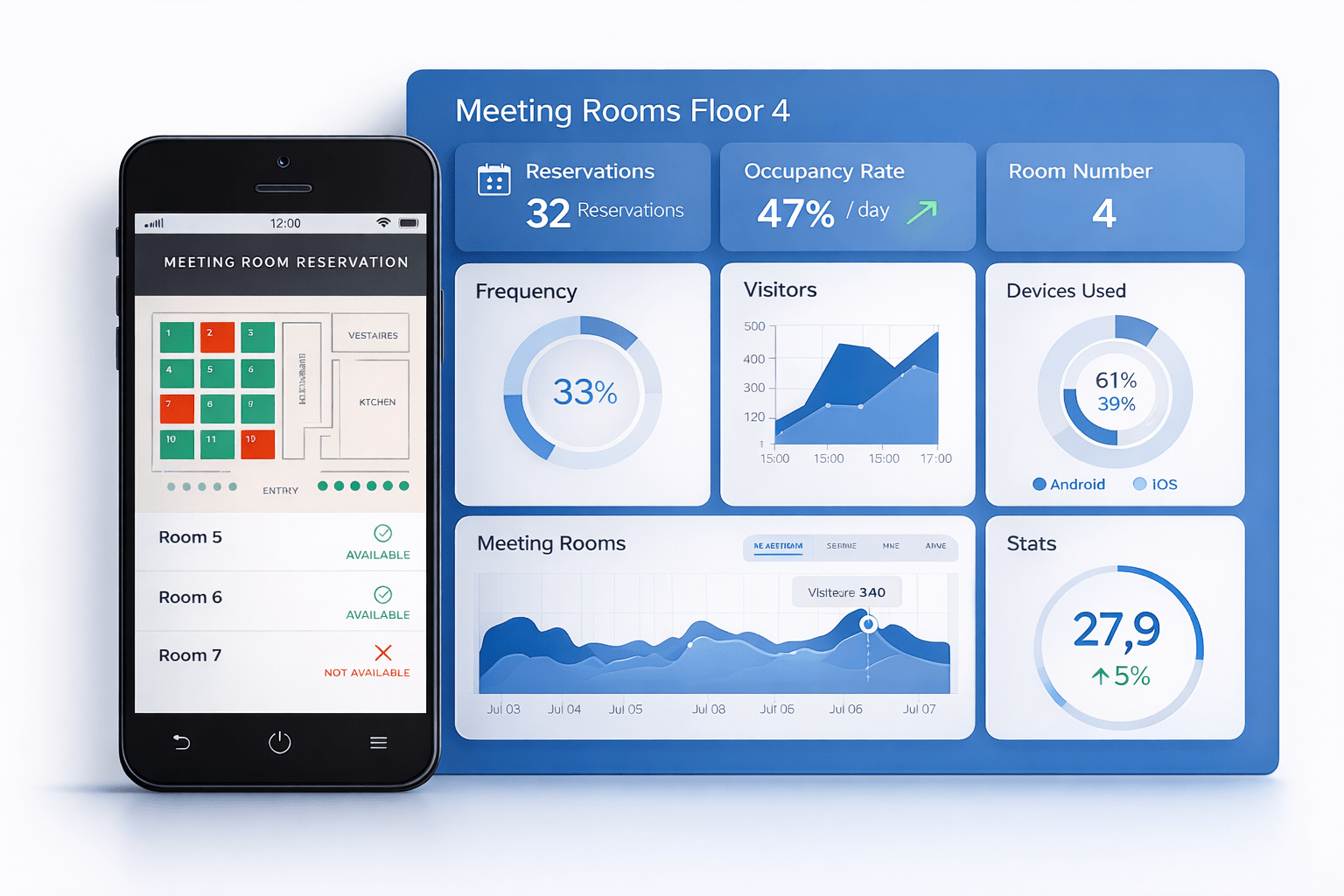
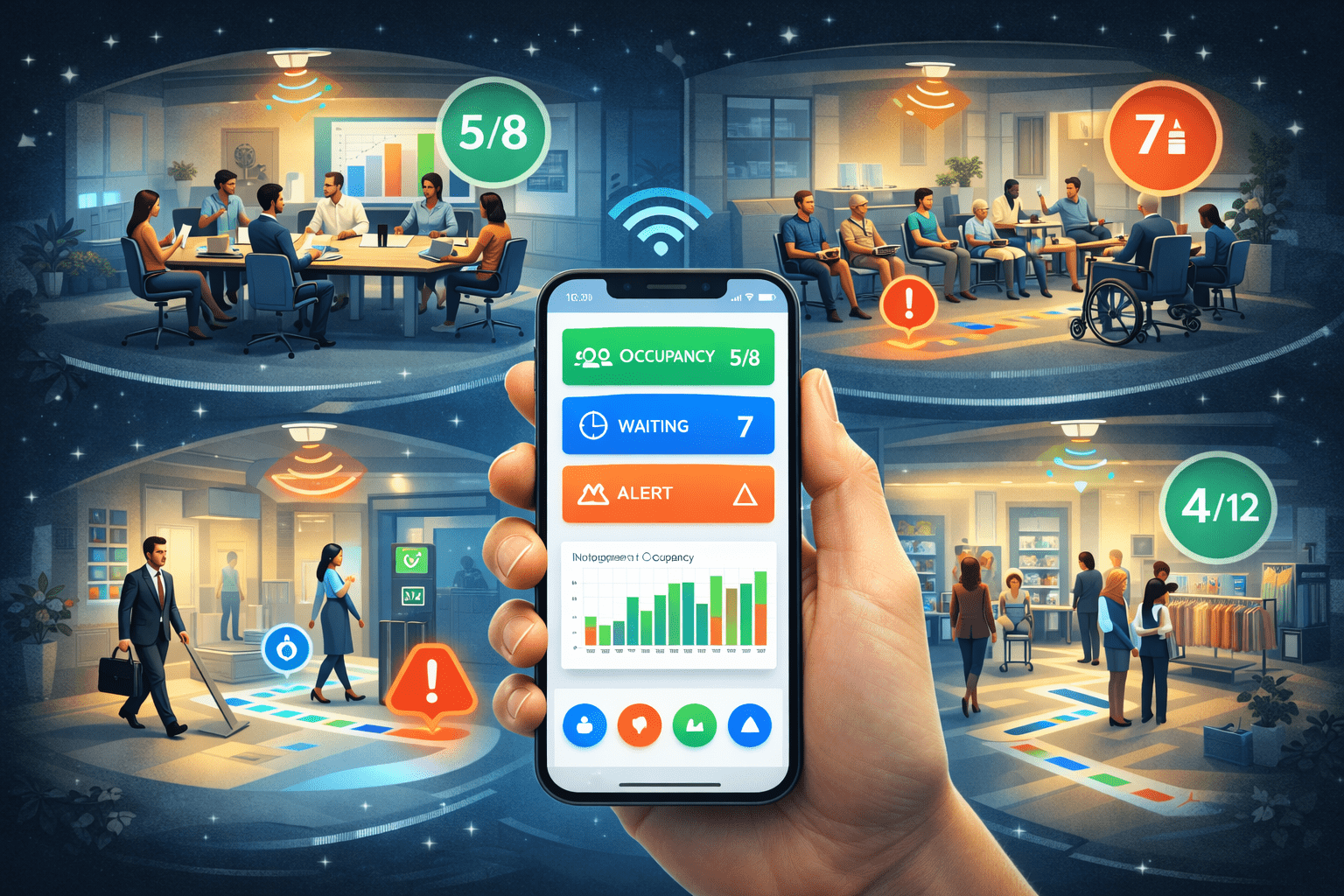
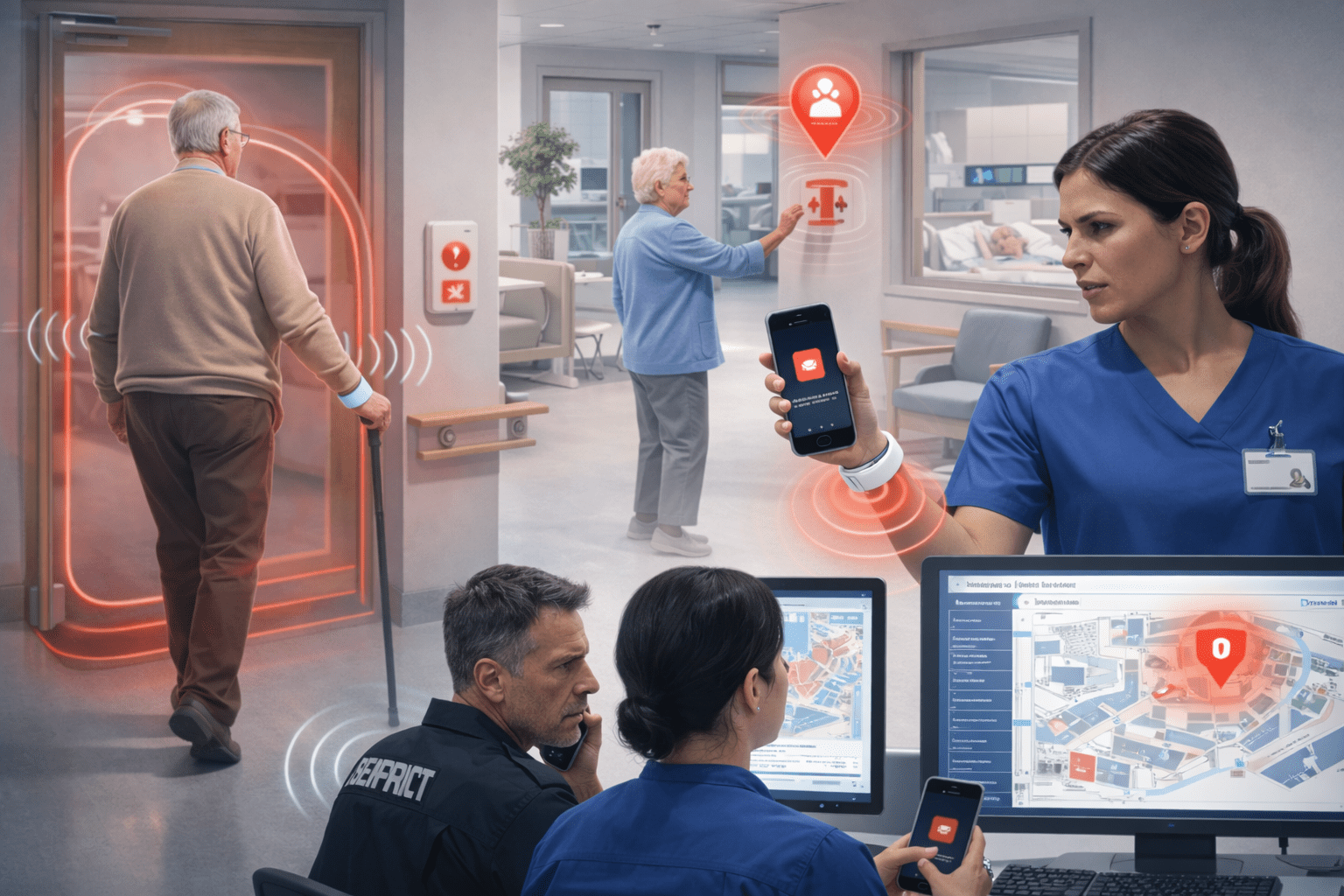
Create smart zones (areas, floors, restricted rooms) and trigger automated actions: notifications, alerts, access control, workflows, safety rules, counting events.
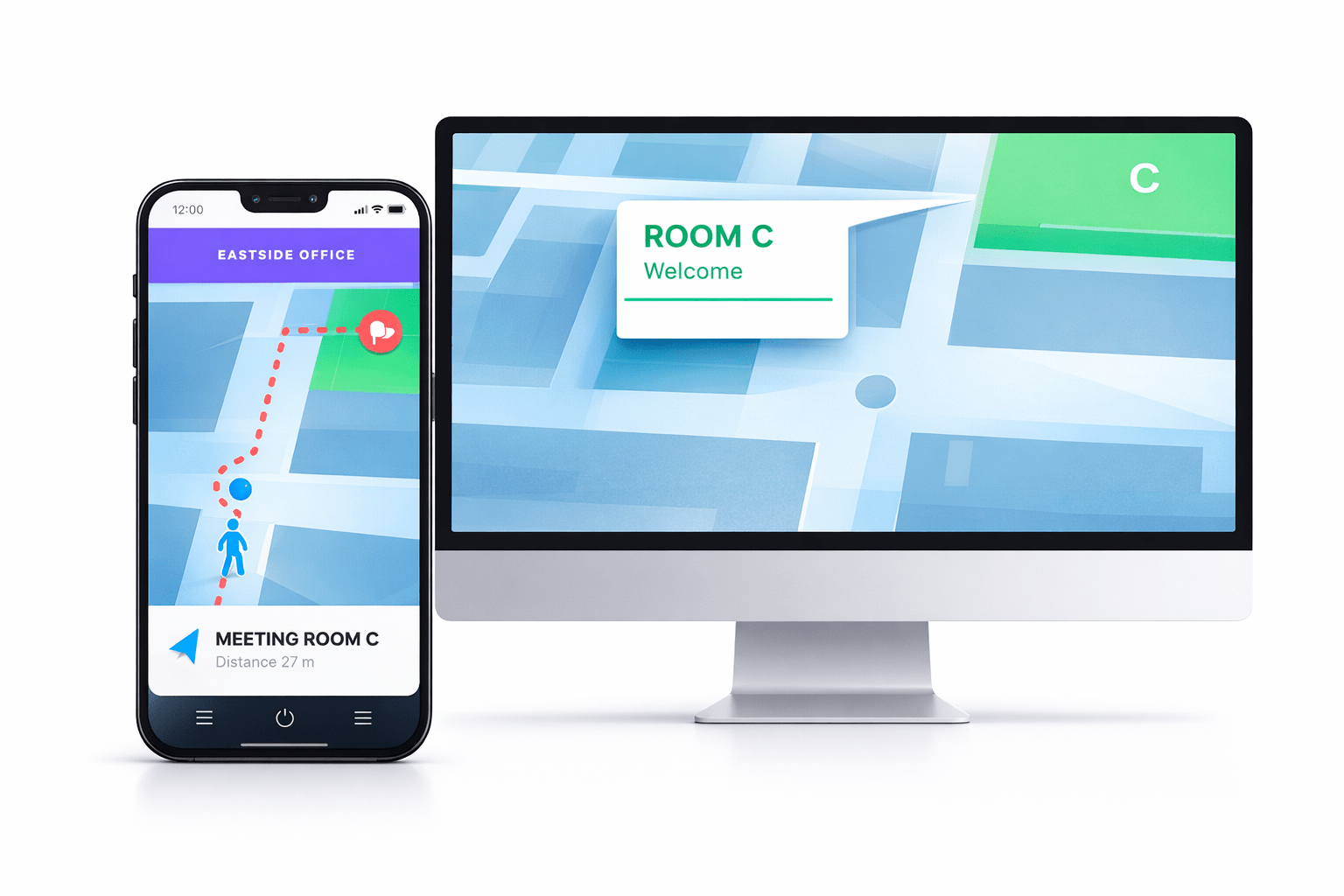
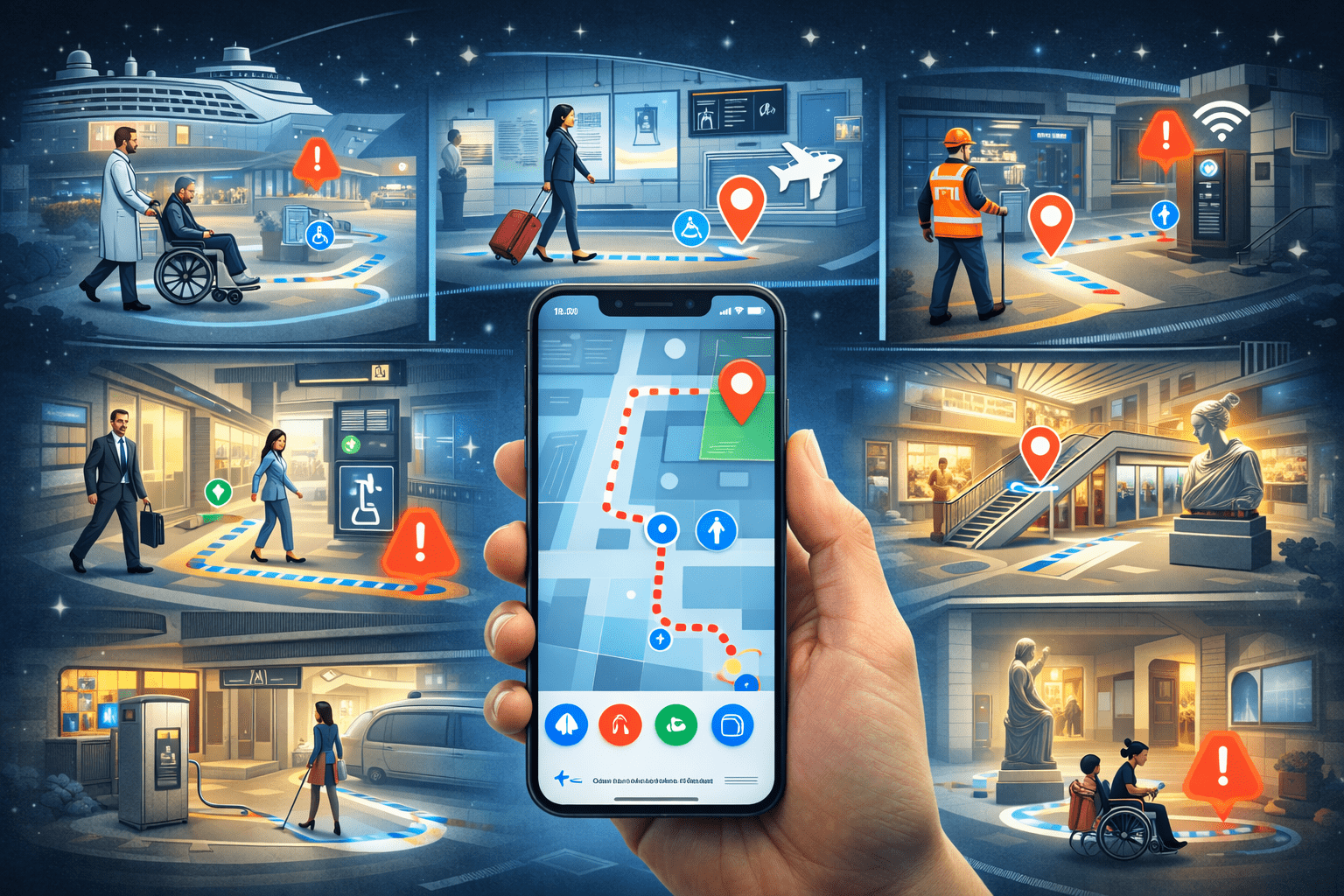
Examples: accessible routes, multifloor itineraries, POIs, travel time estimates, contextual guidance, assistance for people with disabilities, geolocated alerts.
Benefits: Enhanced user experience, reduced delays, greater autonomy
Asset Tracking
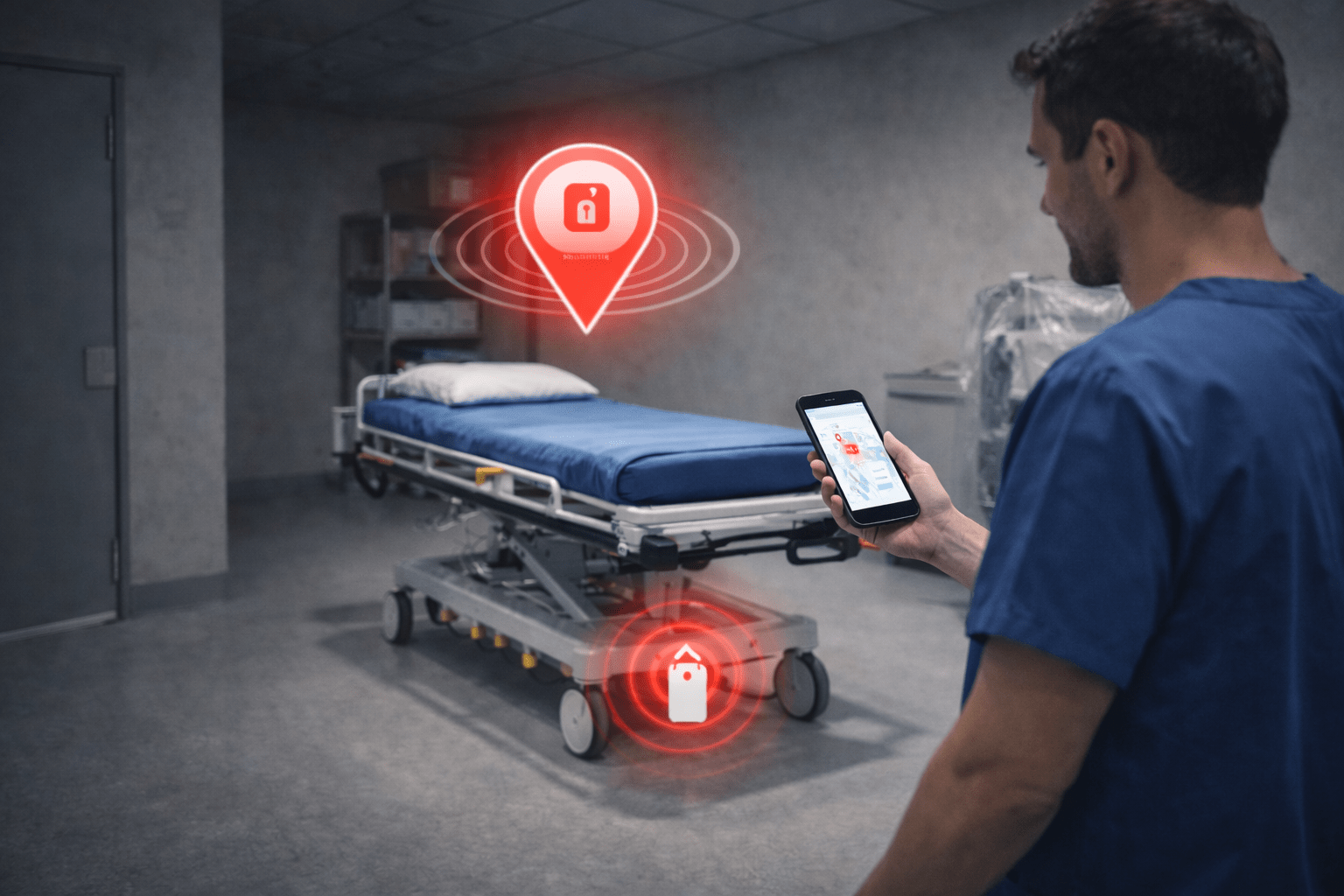
Track critical equipment in real time, reduce search time and losses, and automate inventory.
Examples: medical & biomedical equipment, tools, carts, parcels, containers.
Improve response times and strengthen site security: SOS alerts, restrictedarea presence detection, muster points, emergency management, evacuation, lone worker protection (PTI/DATI).
Benefits: Personnel safety, compliance, fast response
Why choose Pole Star?
Proven large scale deployments
Hospitals, industrial sites, cruise ships, airports, metros, railway stations, major events, malls, department stores, museums.
Reliable realtime accuracy and stability in complex environments.
Independence & control
• Works with your existing infrastructure (can be enhanced as needed)
• Modular: activate only what you need
• Scalable: from pilot to multisite deployments
Easy integration for integrators, VARs & OEMs
• NAO SDKs, APIs, connectors
• Full interoperability with mobile apps, web apps, IoT, enterprise systems
Privacy & compliance
• Privacy by design: minimization, pseudonymization, controlled retention
• Access control and full auditability
• GDPR aligned
• Cybersecurity: NAO Suite is fully ISO 27001 compliant, audited annually
Accuracy depends on sensor density and the RF environment. The solution adapts to your use case—from a few meters to roomlevel accuracy.
Do I need additional beacons?
Thanks to Pole Star’s unified infrastructure approach, existing WiFi or smartbuildingmultisensor access points can often be reused. Additional NAO infrastructure (BlueSpot, BlueListener, Dongle) can enhance critical zones when needed. A lightweight standalone infrastructure can also be deployed.
How is privacy handled?
Privacy by design: data minimization, access control, pseudonymization, controlled retention, full traceability.
What about cybersecurity?
All NAO Suite components comply withISO 27001, verified through annual audits.
How long does a pilot take?
From a few days to 2–3 weeks depending on site size and enabled features (plans, installation, calibration, integration, testing).